
.jpeg)
What is the difference between the pharmacological mechanisms of Mirdametinib and Selumetinib?
Mirdametinib and selumetinib (Selumetinib) are both MEK inhibitors Preparations are important drugs in the field of targeted therapy and mainly act on the MEK enzyme in the RAS-RAF-MEK-ERK signaling pathway. However, there are certain differences between the two in pharmacodynamic mechanisms, indications and clinical manifestations. This article will analyze in detail the differences in the pharmacodynamic mechanisms of midametinib and selumetinib in terms of signaling pathway inhibition details, target selectivity, indication scope, and clinical application.
1. Commonalities and differences in targets of signaling pathways
Midametinib and selumetinib are oral small molecule MEK1/2 inhibitors, which mainly block MAPK
The difference is that midametinib, as a second-generation MEK inhibitor, has been optimized in terms of affinity and selectivity for inhibiting MEK. The improvement of its chemical structure improves the specific binding ability to MEK1/2, reduces the inhibition of non-target enzymes, and improves drug safety and tolerance. Selumetinib is one of the first approved MEK inhibitors. Although it is effective, its side effects are relatively obvious.
2. Differences in pharmacokinetics and persistence of efficacy
Midametinib has good oral absorption and bioavailability, relatively stable pharmacokinetic parameters, can maintain a long-term MEK inhibitory effect, and is suitable for continuous dosing regimens. This enables midametinib to achieve stable signaling pathway inhibition at lower doses and reduce toxic and side effects in clinical use.
Although the pharmacokinetics of selumetinib are mature, due to its early development, its binding time and half-life to MEK are relatively short, requiring more frequent administration and dose adjustment to maintain efficacy. During the use of selumetinib, some patients may experience unstable efficacy or fluctuating side effects due to fluctuations in drug concentration.
3. Differences in indication scope and clinical application
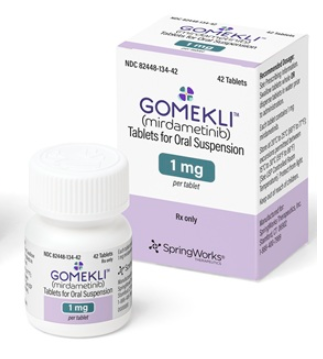
Midametinib mainly focuses on the treatment of tumors related to neurofibromatosis (NF1), especially the development of treatments for patients with neurofibromatosis 1 type. It performs well in controlling tumor volume and improving symptoms in the treatment of this type of disease. In addition, midametinib has been extensively studied in clinical trials in other tumors.
Selumetinib is currently approved to treat neurofibromatosis type 1 in children and adults as well as certain types of lung cancer and other tumors. Its efficacy has been reported in multiple solid tumors, and it is especially widely used in the treatment of tumors with abnormal activation of the RAS-MAPK pathway. Selumetinib has a wide range of applications, but some patients have limited dose escalation due to side effects.
4. Differences in safety and tolerability
Midametinib significantly reduces some of the side effects associated with MEK inhibition, such as rash, diarrhea and ocular toxicity through the improvement of its molecular structure. Clinical data show that midametinib is well tolerated by patients, with a low incidence of drug-related adverse events and higher patient compliance.
Although selumetinib is effective, common side effects include skin reactions, cardiotoxicity (such as prolongation of the QT interval on electrocardiogram) and ocular inflammation. Some patients need to temporarily discontinue the drug or adjust the dose to cope with adverse reactions. Differences in safety make midametinib a better choice in some patients.
Generally speaking, midametinib and selumetinib are both MEK inhibitors and exert anti-tumor effects by inhibiting the RAS-RAF-MEK-ERK signaling pathway. Midametinib pays more attention to the optimization of selectivity and pharmacokinetics in drug design, which improves the safety and sustained inhibition ability of the drug, and is especially suitable for patients with neurofibromatosis. As a pioneer, the efficacy of selumetinib has been widely proven, but there is still room for improvement in terms of safety and tolerability.
Clinically, the choice of drug depends on the patient's specific condition, tolerance, and the doctor's comprehensive judgment. In the future, with the accumulation of more clinical data and the development of a new generation of MEK inhibitors, treatment plans will be more personalized to help patients obtain the best efficacy and quality of life.
Reference materials:https://www.drugs.com/
[ 免责声明 ] 本页面内容来自公开渠道(如FDA官网、Drugs官网、原研药厂官网等),仅供持有医疗专业资质的人员用于医学药学研究参考,不构成任何治疗建议或药品推荐。所涉药品可能未在中国大陆获批上市,不适用于中国境内销售和使用。如需治疗,请咨询正规医疗机构。本站不提供药品销售或代购服务。


