
.jpeg)
Recommended dosage and usage cycle of Datopotamab
Datopotomab (Datopotamab) is an emerging antibody drug conjugate (ADC), mainly used to treat advanced or metastatic non-small cell lung cancer (NSCLC) and certain other solid tumors. As a member of targeted therapy, dedabrotuzumab combines the advantages of targeted monoclonal antibodies and cytotoxic drugs. By selectively recognizing specific antigens on the surface of tumor cells, the cytotoxic drugs can be delivered directly into tumor cells to maximize the killing of tumor cells and reduce damage to normal tissues. This article will introduce in detail the recommended dosage and common usage cycles of dedabrotumumab to help patients and medical staff better understand its clinical application.
1. How to administer dabrotomab
Dabrotuzumab is usually administered as an intravenous infusion. Because it is an antibody-drug conjugate, it needs to be intravenously infused by medical staff in a clinical setting through a professional medical institution to ensure the safety and effectiveness of the drug. Infusion times are generally longer to reduce the risk of infusion-related allergic reactions. Patients should be closely monitored for infusion reactions and adverse events during first administration and subsequent treatment.
Before the administration process, medical staff will conduct a comprehensive assessment of the patient, including condition status, liver and kidney function, hematological indicators, etc., to ensure that the patient is suitable for dedabrotomab treatment. During the infusion, the patient needs to remain still and be observed by medical staff. If symptoms of infusion reactions such as fever, chills, and difficulty breathing occur, they should be dealt with promptly.
2. Recommended usage and dosage
At present, the dose of dedabrotuzumab in clinical studies is still in the continuous optimization stage, but based on published clinical trial data and related studies, the commonly recommended dose is intravenous injection once every 3 weeks, and the dose range is usually between 2.4 mg/kg and 4.8 mg/kg. The specific dose needs to be determined based on a comprehensive assessment of the patient's weight, severity of illness, previous treatment response, and tolerability.
It is generally recommended to start with a lower dose and gradually adjust to the target dose to reduce the occurrence of adverse reactions. For patients with weak physical condition or obvious abnormal liver and kidney function, doctors may appropriately reduce the dosage or extend the dosage interval. In addition, if the patient experiences serious adverse reactions, the medication needs to be suspended and corresponding supportive treatment should be taken. After the symptoms are relieved, the dose should be adjusted according to the doctor's advice or the treatment should be continued.
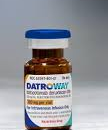
3. Usage cycle and treatment schedule
The use cycle of dabrotuzumab is usually once every 3 weeks, and is continued until the disease progresses or the patient develops intolerable side effects. The length of the treatment cycle mainly depends on the patient's tolerance and efficacy of the drug. In most clinical trial designs, patients will undergo regular imaging evaluations after the first dose (such as every 6 to 8 weeks) to determine tumor response.
If the treatment results are good and there are no serious side effects, the patient can continue taking the medication for months to years. For patients who experience disease progression or severe toxic reactions, the treatment plan needs to be evaluated in a timely manner and consideration should be given to adjusting the dosage, interval, or changing treatment drugs. It is worth noting that the pharmacokinetic properties of dabrotuzumab support a dosing interval of once every 3 weeks, which not only ensures a sustained effective concentration of the drug, but also reduces the frequency of dosing and improves patient compliance.
4. Precautions during medication
During the medication period, patients should undergo regular hematology tests and monitor white blood cells, platelets, liver and kidney function and other indicators to prevent and promptly detect potential toxic and side effects. Common adverse reactions include bone marrow suppression, rash, fatigue and gastrointestinal reactions. Medical staff need to adjust the medication plan according to specific symptoms.
In addition, infusion reactions are a common problem in antibody-drug conjugate therapy, and patients need to be especially careful when taking the drug for the first time. To reduce infusion reactions, prophylactic medications, such as antihistamines and glucocorticoids, are used in some clinical practices. During treatment, patients should maintain good living habits, avoid infections, and ensure balanced nutrition.
In summary, as an innovative targeted drug, dabrotuzumab has demonstrated good anti-tumor activity and controllable safety in clinical applications. Reasonable usage, dosage and standardized use cycle are the keys to ensuring its efficacy and patient safety. Patients should strictly follow the doctor's instructions, conduct regular follow-up visits and examinations, and provide timely feedback on their physical condition to jointly maximize the treatment effect. In the future, with the accumulation of more clinical data and drug optimization, dabrotuzumab is expected to bring hope to more cancer patients.
Reference materials:https://www.drugs.com/
[ 免责声明 ] 本页面内容来自公开渠道(如FDA官网、Drugs官网、原研药厂官网等),仅供持有医疗专业资质的人员用于医学药学研究参考,不构成任何治疗建议或药品推荐。所涉药品可能未在中国大陆获批上市,不适用于中国境内销售和使用。如需治疗,请咨询正规医疗机构。本站不提供药品销售或代购服务。


