
.jpeg)
Is Nilotinib a typical targeted therapy drug?
Nilotinib is a typical targeted therapy drug, mainly used to treat chronic myelogenous leukemia (CML) and Philadelphiachromosome-positive acute lymphoblastic leukemia (Ph+ ALL). As a second-generation BCR-ABL tyrosine kinase inhibitor, nilotinib inhibits the proliferation and survival of leukemia cells by highly selectively inhibiting the tyrosine kinase activity of the BCR-ABL fusion protein and blocking oncogenic signaling pathways.
The targeting mechanism of nilotinib is very clear, and its target is BCR-ABL kinase. This fusion protein is the main pathogenic molecule of chronic myelogenous leukemia. By selectively inhibiting BCR-ABL, nilotinib can effectively block abnormal signaling, induce leukemia cell apoptosis, and significantly delay disease progression. Compared with the first-generation targeted drug imatinib, nilotinib has a better inhibitory effect on some drug-resistant mutations and is more effective.
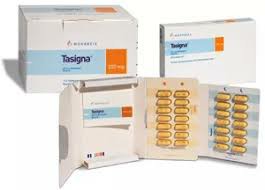
In addition, nilotinib has shown good efficacy and safety in clinical application. Multiple clinical trials have shown that nilotinib can improve the complete cytogenetic response rate and molecular response rate and prolong progression-free survival in patients with chronic phase CML. At the same time, its side effects are relatively controllable and well tolerated by patients, making it an important drug in the standard treatment plan for chronic myelogenous leukemia.
To sum up, nilotinib has become a typical targeted therapy drug due to its high selectivity for BCR-ABL kinase and good clinical performance. It not only improves the prognosis of patients with chronic myelogenous leukemia, but also promotes the development of precision medicine and sets a benchmark in the field of targeted therapy.
Reference materials:https://www.drugs.com/
[ 免责声明 ] 本页面内容来自公开渠道(如FDA官网、Drugs官网、原研药厂官网等),仅供持有医疗专业资质的人员用于医学药学研究参考,不构成任何治疗建议或药品推荐。所涉药品可能未在中国大陆获批上市,不适用于中国境内销售和使用。如需治疗,请咨询正规医疗机构。本站不提供药品销售或代购服务。


