
.jpeg)
Whether Nintedanib is a targeted drug and analysis of its pharmacological effects
Nintedanib (Nintedanib) is a small molecule multi-target tyrosine kinase inhibitor that is clearly a targeted drug. Its main mechanism of action is to target and inhibit multiple receptor tyrosine kinases and block related signaling pathways, thereby playing a role in anti-fibrosis and anti-tumor treatment. The drug was originally developed by the German company Boehringer Ingelheim and is now widely used to treat patients with idiopathic pulmonary fibrosis (IPF), systemic sclerosis-related interstitial lung disease (SSc-ILD) and certain advanced non-small cell lung cancer (NSCLC).
From a pharmacological mechanism perspective, nintedanib mainly targets three types of receptors: vascular endothelial growth factor receptor (VEGFR), fibroblast growth factor receptor (FGFR) and platelet-derived growth factor receptor (PDGFR). These signaling pathways play a key role in the occurrence and development of pulmonary fibrosis. By inhibiting these tyrosine kinases, nintedanib can effectively inhibit the proliferation, migration and transformation of fibroblasts, thereby delaying the progression of lung tissue fibrosis. In addition, in tumor treatment, this mechanism can also block tumor angiogenesis, and has a certain inhibitory effect on some non-small cell lung cancer.
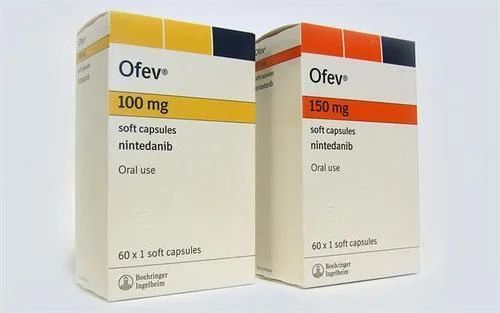
In the field of idiopathic pulmonary fibrosis treatment, clinical trials have confirmed that nintedanib can significantly slow down the decline of lung function and improve patients' respiratory symptoms and quality of life. Its anti-fibrotic effect is clear and it is one of the standard treatments recommended by current international guidelines. In some tumor patients (such as advanced lung adenocarcinoma), nintedanib combined with docetaxel has also shown a certain efficacy, especially after the failure of anti-angiogenic treatment, providing a new treatment option.
Overall, nintedanib is a targeted drug with multiple targets and plays an important role in the treatment of pulmonary fibrosis and some tumors. Because its mechanism of action is clear, its indications are clear, and its clinical safety has been confirmed in multiple large-scale studies, it has become a representative drug with both anti-fibrosis and anti-angiogenesis in targeted therapy. When using it, you still need to pay attention to common side effects such as gastrointestinal adverse reactions and changes in liver function, and use medications in a standardized manner under the guidance of a doctor.
Reference materials:https://www.drugs.com/
[ 免责声明 ] 本页面内容来自公开渠道(如FDA官网、Drugs官网、原研药厂官网等),仅供持有医疗专业资质的人员用于医学药学研究参考,不构成任何治疗建议或药品推荐。所涉药品可能未在中国大陆获批上市,不适用于中国境内销售和使用。如需治疗,请咨询正规医疗机构。本站不提供药品销售或代购服务。


