
.jpeg)
Is Upadacitinib extended-release tablets a targeted drug and its pharmacological properties
Upadacitinib, trade name: Rinvoq, is an oral small molecule drug with a clear target. It is widely used in the treatment of immune-related chronic diseases such as rheumatoid arthritis, psoriatic arthritis, ulcerative colitis, and ankylosing spondylitis. Upadatinib belongs to the class of JAK inhibitors (Januskinase inhibitors). Because of its precise inhibition of the JAK1 pathway, it is regarded as a new generation of targeted immunomodulatory drugs. Therefore, it can be clearly said that upadatinib is a targeted drug with a clear target, stable mechanism of action, and significant effect. It has become an important part of the treatment plan for various autoimmune diseases.
1. The basis for upadatinib to be a targeted drug
The basic definition of targeted drugs is to regulate the disease process or improve symptoms by specifically acting on molecular targets related to a certain disease. Upadatinib is a typical targeted drug that selectively inhibits the activity of JAK1 enzyme and blocks the signaling pathways of multiple pro-inflammatory cytokines. JAK family includes JAK1, JAK2< span>, JAK3 and TYK2, among which JAK1 span>Involved in the conduction of a variety of pro-inflammatory cytokines, such as IL-6, IFN-γ, IL-2, IL-15, etc., are all important pathogenic factors for diseases such as rheumatoid arthritis and ulcerative colitis.
Different from earlyJAK inhibitors such as tofacitinib (Tofacitinib), upadacitinib was designed to target the key inflammatory pathway JAK1 and is more selective and has fewer non-target side effects. It does not completely inhibit JAK2 or JAK3, thereby reducing the degree of suppression of the hematopoietic system and immune system, and its safety performance is superior. Therefore, upadatinib is not only a targeted drug, but also belongs to the category of "highly selective targeted drugs".
2. Pharmacological mechanism of action of upadatinib
Upadatinib inhibits JAK1 and interferes with the phosphorylation process of downstream STAT (signal transducer and activator of transcription) protein, ultimately blocking the expression of inflammation-related genes. This mechanism has been demonstrated in multiple chronic inflammatory diseases, especially in patients with rheumatoid arthritis.Overactivity of the JAK1 pathway is one of the core mechanisms leading to continued joint inflammation and tissue destruction.
By targetingJAK1, upadatinib can reduce the release of inflammatory mediators, relieve joint swelling and pain, reduce synovitis reaction, and slow down the bone destruction process. The drug also shows extensive effects in other autoimmune diseases. For example, in patients with ulcerative colitis, it can relieve intestinal inflammation and improve symptoms such as bleeding, diarrhea, and abdominal pain by inhibiting inflammatory factors such as IL-6.
Clinical studies have shown that upadatinib works quickly, and some patients can experience pain relief within a few days after taking the drug. In long-term use, it can significantly improve the quality of life, reduce hormone dependence, and contribute to disease relief and disease control.
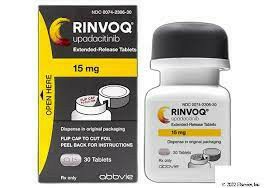
3. Clinical advantages of sustained-release tablets
Upadatinib is designed as an extended-release tablet. The common dosage is 15 mg or 30 mg, taken orally once daily. This sustained-release design allows the drug to be released slowly in the body and the blood concentration to be more stable, which can reduce the number of medication doses and improve patient compliance. Compared with early JAK inhibitors that required twice-daily dosing, the sustained-release formulation of upadatinib significantly improves convenience and experience.
The sustained-release design also reduces the risk of adverse reactions caused by excessive peak concentrations, such as gastrointestinal discomfort, excessive immune suppression, etc., which is conducive to long-term maintenance of efficacy and is less likely to develop drug resistance. In addition, upadatinib does not need to be taken with food, and patients can take the medicine flexibly according to their personal habits, which also makes it more applicable to a variety of clinical groups.
4. Risks and precautions of targeted drugs
Although upadatinib is a targeted drug with clear efficacy, as an immunosuppressant, it also has certain risks and needs to be used under the guidance of a doctor. The most common adverse reactions include upper respiratory tract infection, nasopharyngitis, headache, diarrhea, and elevated liver enzymes. Some immunocompromised patients may develop herpes zoster or opportunistic infections, so active infections, especially tuberculosis, need to be ruled out before use.
In addition, upadatinib may cause an increase in blood lipids, and it is recommended to regularly monitor blood lipids and liver function. Due to its potential impact on thrombotic risk, it should be used with caution in people with a history of cardiovascular disease or who are at high risk for venous thrombosis. Not recommended for use in pregnant and lactating women due to possible effects on the fetus in animal experiments.
It should be emphasized that upadatinib cannot be used in combination with other strong immunosuppressants (such as cyclosporine, tacrolimus, etc.), and it is not recommended to be taken with other JAK inhibitors at the same time to avoid the risk of immunosuppression superposition. Patients should avoid receiving live vaccines during treatment and complete routine screening and basic evaluation before medication.
Upadatinib extended-release tablets are selectiveJAK1Inhibitors are important members of the modern targeted drug system. They regulate the immune system and inhibit inflammatory responses by precisely intervening in the JAK-STAT signaling pathway. It has demonstrated significant efficacy and wide adaptability in the treatment of immune diseases such as rheumatoid arthritis, psoriatic arthritis, and ulcerative colitis. Its sustained-release dosage form improves medication convenience and compliance, and is a representative product among the current JAK drugs.
Although upadatinib has excellent therapeutic performance as a targeted drug, it is still necessary to pay attention to safety issues such as infection risks and dyslipidemia during use. Strictly following doctor's guidance and regularly monitoring relevant indicators are the prerequisites for long-term safe medication. In the future, as its indications expand in more diseases, upadatinib is expected to play a more critical role in the field of immunotherapy.
Reference materials:https://www.drugs.com/
[ 免责声明 ] 本页面内容来自公开渠道(如FDA官网、Drugs官网、原研药厂官网等),仅供持有医疗专业资质的人员用于医学药学研究参考,不构成任何治疗建议或药品推荐。所涉药品可能未在中国大陆获批上市,不适用于中国境内销售和使用。如需治疗,请咨询正规医疗机构。本站不提供药品销售或代购服务。


