
.jpeg)
How does bedaquiline treat? Efficacy and stability analysis
Bedaquiline (Bedaquiline) is a new anti-tuberculosis drug that has attracted widespread attention in recent years, especially in the treatment of multi-drug-resistant tuberculosis (MDR-TB) and extensively drug-resistant tuberculosis (XDR-TB). As the first drug with a new mechanism of action recommended by WHO for the treatment of drug-resistant tuberculosis, bedaquiline inhibits bacterial ATP synthase and interferes with its energy metabolism, thereby achieving a bactericidal effect. Compared with traditional anti-tuberculosis drugs, it can achieve a higher bacterial clearance rate in a short period of time and is equally effective against dormant tuberculosis bacteria.
In multiple international clinical trials, bedaquiline has shown good therapeutic effects when used in combination with other drugs. According to research data published in "NEJM" and "Lancet", bedaquiline combination treatment can The negative conversion rate of MDR-TB patients has increased to more than 70%, which is much higher than the traditional regimen (about 50%). In addition, its treatment course is relatively shortened and patient compliance has been improved. It is especially effective in cases of stubborn drug-resistant tuberculosis. Efficacy evaluation indicators such as sputum smear conversion time, image improvement, and clinical symptom relief were all stable.
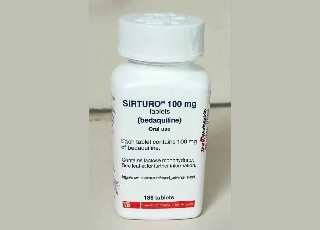
However, the efficacy of bedaquiline is still affected by some factors, such as the patient's basic health condition, whether the combination of medications is reasonable, and whether the treatment is timely and adequate. Increased bacterial resistance, treatment interruption, or increased risk of relapse may occur in some patients. Therefore, WHO recommends the rational use of bedaquiline under standardized management and supervision by professional doctors, and try to combine it with other effective drugs to avoid the risk of resistance and consolidate the efficacy.
Overall, bedaquiline is effective and stable in treating drug-resistant tuberculosis, and is an important breakthrough in the current field of tuberculosis treatment. As clinical experience accumulates and medication guidelines continue to improve, the application value of this drug will be further enhanced. However, in order to ensure stable long-term efficacy, it is still necessary to pay attention to drug safety monitoring, optimization of drug combinations, and patient compliance management, so as to achieve more ideal treatment effects.
Reference materials:https://www.drugs.com/
[ 免责声明 ] 本页面内容来自公开渠道(如FDA官网、Drugs官网、原研药厂官网等),仅供持有医疗专业资质的人员用于医学药学研究参考,不构成任何治疗建议或药品推荐。所涉药品可能未在中国大陆获批上市,不适用于中国境内销售和使用。如需治疗,请咨询正规医疗机构。本站不提供药品销售或代购服务。


