
.jpeg)
What should I do if Eltrombopag/Eltrombopag is not effective?
In some patients treated with Eltrombopag, platelet response may be unsatisfactory or completely ineffective. This phenomenon is clinically known as drug insensitivity. The reasons behind this may involve individual differences, concomitant medications, underlying disease types, genetic metabolic characteristics, or irregular medication behaviors.
First of all, it should be clarified whether there is a conflict between the medication time and diet, such as taking the medication at the same time as eating foods containing high calcium or high iron, which will seriously interfere with the absorption of the medication and thus reduce the efficacy. In addition, irregular medication use, unauthorized discontinuation or dose reduction may also lead to fluctuations in efficacy, so reviewing the patient's medication compliance is a necessary step. If there are no abnormalities in medication and diet, but platelets still do not increase for a long time, it may indicate that there are individual differences in the pharmacological response of eltrombopag.
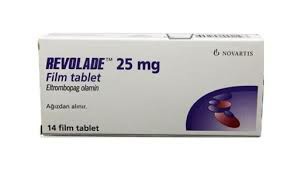
Studies have shown that some patients may be insensitive to the receptor agonism of eltrombopag. At this time, clinical blood routine, bone marrow examination, etc. need to be further used to check whether there is secondary bone marrow disease or immune abnormality. In overseas treatment strategies, if eltrombopag alone is ineffective, doctors may recommend combining it with other immunosuppressive drugs or switching to similar drugs, such as injectable thrombopoietin receptor agonists such as Romiplostim.
In addition, emerging targeted drugs or hematopoietic stem cell transplantation are gradually being used in the treatment of patients with severe aplastic anemia. Eltrombopag itself is hepatotoxic. If the patient's liver function is damaged, it may affect its metabolism and efficacy. Therefore, regular monitoring of liver function is also a necessary assessment method. Patients should not adjust the dosage or stop taking the medicine on their own when the therapeutic effect is poor. They should promptly report it to a professional physician and evaluate whether the treatment strategy needs to be changed or the underlying cause should be further examined.
Through individualized medication management and close monitoring of efficacy and toxic reactions, it can help improve the response rate to drugs and reduce uncertainty in the treatment process, thereby achieving clinical treatment goals more safely and effectively.
Reference materials:https://go.drugbank.com/drugs/DB06210
[ 免责声明 ] 本页面内容来自公开渠道(如FDA官网、Drugs官网、原研药厂官网等),仅供持有医疗专业资质的人员用于医学药学研究参考,不构成任何治疗建议或药品推荐。所涉药品可能未在中国大陆获批上市,不适用于中国境内销售和使用。如需治疗,请咨询正规医疗机构。本站不提供药品销售或代购服务。


