
.jpeg)
Does Cosibelimab affect liver and kidney function?
Cosibelimab (Cosibelimab) is a new type of PD-L1 (programmed death ligand 1) inhibitor, used to activate T cell immune response, thereby enhancing the body's ability to fight tumors. As an immune checkpoint inhibitor, cosibelimab mainly acts on the immune system rather than directly on liver or kidney cells. However, in actual clinical application, we still need to be alert to the immune-related adverse events (irAEs) it may cause, including liver or kidney function damage in a few cases.
Judging from current clinical research and adverse event monitoring data, most patients treated with cosibelimab will not experience significant liver and kidney function damage. A small number of patients may develop immune-mediated hepatitis, manifested by elevated alanine aminotransferase (ALT) and aspartate aminotransferase (AST). In severe cases, it may also be accompanied by jaundice or elevated bilirubin. This type of liver function abnormality usually occurs within weeks to months after taking the drug. It is an immune-related side reaction and requires timely detection and intervention with glucocorticoids if necessary.
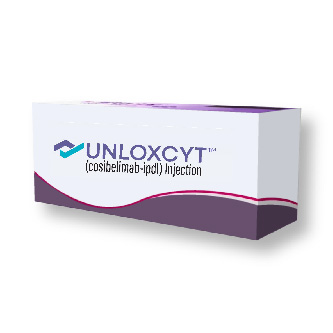
There are currently few reports on the impact on renal function. **Immune-related nephritis (such as interstitial nephritis)**Although uncommon, it still requires attention. If patients experience symptoms such as elevated creatinine, proteinuria, or decreased urine output, their renal function should be evaluated as soon as possible and whether it is an immune-mediated disease. In clinical practice, if a patient's renal function is found to be abnormal, doctors usually suspend medication and perform hormone therapy to avoid progression of the disease.
In summary, cosibelimab has less impact on liver and kidney function in the vast majority of patients and is well tolerated. However, as an immunotherapy drug, its potential risk of immune-mediated hepatitis or nephritis still requires attention. It is recommended that patients undergo regular monitoring of liver and kidney function during treatment, especially when symptoms such as fatigue, jaundice, nausea, and decreased urine output occur, and seek medical advice promptly. As long as the medication is used scientifically under the guidance of professional doctors, and monitoring and response measures are taken, the vast majority of patients can safely benefit from this new immunotherapy method.
Reference materials:https://www.drugs.com/
[ 免责声明 ] 本页面内容来自公开渠道(如FDA官网、Drugs官网、原研药厂官网等),仅供持有医疗专业资质的人员用于医学药学研究参考,不构成任何治疗建议或药品推荐。所涉药品可能未在中国大陆获批上市,不适用于中国境内销售和使用。如需治疗,请咨询正规医疗机构。本站不提供药品销售或代购服务。


