
.jpeg)
What is the optimal course of bevacizumab treatment?
Bevacizumab (Bevacizumab) is a recombinant humanized monoclonal antibody targeting vascular endothelial growth factor A (VEGF-A). It mainly interferes with the nutrient supply and growth of tumors by inhibiting the formation of new blood vessels, thereby delaying disease progression. In clinical use, bevacizumab is often used as part of combination therapy in the treatment of various solid tumors such as colorectal cancer, non-small cell lung cancer, ovarian cancer, and renal cell carcinoma.
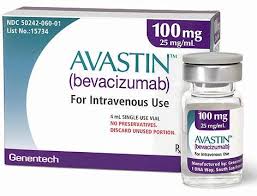
The optimal treatment course does not have a fixed number of treatments, but is dynamically adjusted based on tumor type, patient tolerance and treatment response. Under normal circumstances, bevacizumab is administered every two weeks or every three weeks, and the first injection time is 90 minutes. If the patient does not experience severe infusion reactions, the second injection can be shortened to 60 minutes, and the third and subsequent injections can be further shortened to 30 minutes to ensure safety and compliance. The entire course of treatment may last from several months to more than a year, or even longer, depending on whether the disease remains under control or if serious adverse effects occur. Most guidelines recommend continued use before tumor progression, but efficacy and toxicity need to be regularly evaluated and the treatment course adjusted if necessary.
In addition, long-term use of bevacizumab has potential risks such as hypertension, proteinuria, bleeding, and gastrointestinal perforation. Therefore, the patient's basic condition needs to be comprehensively evaluated when formulating a treatment course. Since theVEGF pathway also plays a role in the maintenance of normal blood vessels, long-term inhibition may cause long-term toxicity, so the time to discontinue treatment needs to be weighed against the pros and cons. Current research shows that for certain tumor subtypes, bevacizumab maintenance therapy may bring survival benefits, but there are also practical problems that require individualized management due to differences in cost, tolerance, and individual responses.
To sum up, the optimal treatment course of bevacizumab should strike a balance between tumor control, toxic reactions and the overall condition of the patient. In clinical practice, there is usually no absolute number of treatments, but a strategy of continuous evaluation and personalized adjustment.
Reference materials:https://www.drugs.com/bevacizumab.html
[ 免责声明 ] 本页面内容来自公开渠道(如FDA官网、Drugs官网、原研药厂官网等),仅供持有医疗专业资质的人员用于医学药学研究参考,不构成任何治疗建议或药品推荐。所涉药品可能未在中国大陆获批上市,不适用于中国境内销售和使用。如需治疗,请咨询正规医疗机构。本站不提供药品销售或代购服务。


