
.jpeg)
Will the condition worsen after stopping the drug Ripotinib?
Repotrectinib is a new generation tyrosine kinase inhibitor that targets multiple kinase mutations and is commonly used to treat rare but aggressive cancer types such as ROS1-positive non-small cell lung cancer and NTRK gene fusion solid tumors. Many patients undergoing treatment are very concerned about a practical issue - whether the disease will "grow wildly" or worsen rapidly once the medication is stopped.
Reputinib is not a radical drug; it is essentially a controlled targeted therapy. Its mechanism is to inhibit abnormal kinase activity in cancer cells, thereby blocking signaling pathways and achieving the effect of "pausing" tumor growth. During the period of taking the medicine, the patient's tumor may shrink significantly, symptoms may be alleviated, or even be stable for a long time, but this does not mean that the cancer cells in the body are completely eliminated. Therefore, once treatment is interrupted, especially when the tumor is still active and has not yet developed drug resistance, the tumor cells may lose control and rapidly rebound. This is a common "rebound" phenomenon after the discontinuation of many targeted drugs.
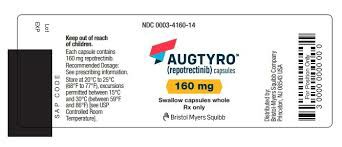
However, not all patients will grow wildly after stopping the drug. Whether the condition becomes out of control is related to many factors, such as the disease control status at the time of drug withdrawal, whether there are drug-resistant mutations in the body, the method of drug withdrawal (sudden interruption or gradual transition), and the patient's basic immune status, etc. If treatment is discontinued in complete remission or minimal disease, some patients may remain stable for a period of time. However, if it is interrupted suddenly during the active phase of the disease, the risk of rebound is significantly higher.
It is worth mentioning that current studies have pointed out that once someNTRK or ROS1 fusion tumors develop secondary resistance to repotinib, discontinuation of the drug may induce the tumor to selectively grow more aggressive clonal cells. Therefore, the decision to discontinue treatment should be very cautious and must be based on the oncologist's evaluation. If necessary, you can consider gradually reducing the drug or continuing it with other alternative targeted drugs or immunotherapy to reduce the risk of "compensatory accelerated growth" of the tumor.
Reference materials:https://www.drugs.com/mtm/repotrectinib.html
[ 免责声明 ] 本页面内容来自公开渠道(如FDA官网、Drugs官网、原研药厂官网等),仅供持有医疗专业资质的人员用于医学药学研究参考,不构成任何治疗建议或药品推荐。所涉药品可能未在中国大陆获批上市,不适用于中国境内销售和使用。如需治疗,请咨询正规医疗机构。本站不提供药品销售或代购服务。


