
.jpeg)
What is the therapeutic effect of trametinib on patients with lung cancer?
Trametinib is a targeted drug that is a MEK inhibitor and is mainly used to treat advanced melanoma with BRAFV600 mutations. As an anti-tumor drug, trametinib inhibits the intracellular MEK1/2 kinase and prevents the activation of the RAS/RAF/MEK/ERK signaling pathway, thereby reducing the proliferation of tumor cells and promoting the apoptosis of tumor cells. In recent years, with the gradual development of targeted therapy, trametinib has also gained attention in the treatment of other types of tumors, especially in the treatment of malignant tumors such as non-small cell lung cancer (NSCLC), and its potential efficacy has begun to appear.
For patients with lung cancer, the main therapeutic effect of trametinib is focused on its targeted therapy mechanism, especially for patients with specific gene mutations. Although trametinib's use has been more proven mainly in melanoma, as research deepens, scientists have discovered that it also has potential therapeutic value for some patients with non-small cell lung cancer. Specifically, trametinib can be used in combination with other drugs (such as dabrafenib) to inhibit tumor growth and delay disease progression. For patients with non-small cell lung cancer with BRAFV600 mutations, the use of trametinib can significantly improve the tumor response rate, especially when the patient has developed chemotherapy resistance or the disease has relapsed.
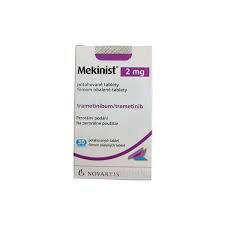
Non-small cell lung cancer (NSCLC) is the most common type of lung cancer, accounting for the majority of lung cancer patients worldwide. Although advances in targeted therapy and immunotherapy have provided new options for the treatment of lung cancer, not all patients can benefit from them. Therefore, it is particularly important to find more personalized treatment options. As a MEK inhibitor, trametinib can target specific gene mutations, especially in patients with BRAFV600 mutations, and can provide more treatment options. Trametinib can control the progression of tumors by inhibiting the downstream effects of the MEK signaling pathway, slowing down the proliferation of tumor cells and inhibiting their migration ability.
However, the effect of trametinib in lung cancer patients is not absolute. Although some studies have shown its outstanding efficacy in combination therapy, its efficacy as a monotherapy still needs to be further verified. In most cases, trametinib needs to be used in combination with other targeted drugs (such asBRAF inhibitors) to obtain the best therapeutic effect. For patients with BRAF mutation-positive lung cancer, the combined treatment of trametinib and a BRAF inhibitor can enhance the anti-tumor effect and improve the success rate of treatment through dual targeting mechanisms.
For those who are notIn patients with BRAF-mutated lung cancer, the efficacy of trametinib is more limited. Although the MEK pathway may play an important role in some non-small cell lung cancers, the effect of trametinib alone is not ideal. Therefore, scientists are exploring the combination of trametinib with other targeted therapies, chemotherapy or immunotherapy in order to break through the limitations of treatment. Especially in the context of the complex immune microenvironment of lung cancer, the combined use of targeted therapy and immunotherapy may provide patients with better survival.
Reference materials:https://go.drugbank.com/drugs/DB08911
[ 免责声明 ] 本页面内容来自公开渠道(如FDA官网、Drugs官网、原研药厂官网等),仅供持有医疗专业资质的人员用于医学药学研究参考,不构成任何治疗建议或药品推荐。所涉药品可能未在中国大陆获批上市,不适用于中国境内销售和使用。如需治疗,请咨询正规医疗机构。本站不提供药品销售或代购服务。


