
.jpeg)
What are the common side effects after using Atrasentan?
Atrasentan (Atrasentan) is an oral selective endothelinA receptor antagonist, mainly used to treat symptoms related to prostate cancer, diabetic nephropathy and certain types of cancer. As a targeted drug, atrasentan exerts its therapeutic effect by blocking endothelinA receptors and alleviating the process of vasoconstriction and tissue fibrosis. However, patients may experience some side effects and discomfort during the use of atrasentan, and it is important to understand these common side effects for safe medication use and timely response. The following will introduce in detail the common side effects of atrasentan and their management methods from multiple perspectives.
First, one of the most common side effects of atrasentan is edema and fluid retention. Patients may experience symptoms such as lower limb swelling, weight gain, and abdominal distension after taking the drug, which is mainly related to the drug's effect on vascular permeability and saline metabolism. If fluid retention is not controlled in time, it may increase the burden on the heart and lead to the risk of heart failure. In this regard, patients should regularly monitor changes in weight and limbs, and doctors may recommend limiting sodium intake or using diuretics to reduce edema symptoms.
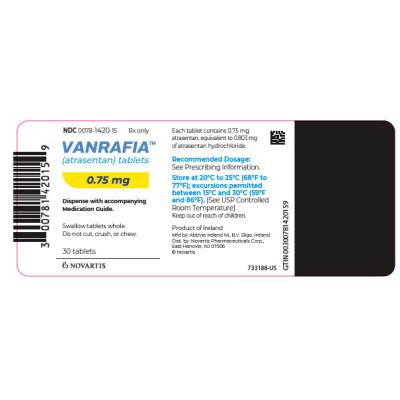
Secondly, atrasentan may also cause non-specific symptoms such as headache, nasal congestion and fatigue. Headache is a common discomfort during use, usually mild to moderate, and can be relieved with appropriate rest and symptomatic treatment. Nasal congestion may be related to blood vessel dilation, causing respiratory discomfort. Fatigue may be related to the effects of drugs on systemic metabolism and immune response. Patients should pay attention to rest and adjust their life rhythm.
Third, some patients may develop abnormal liver function after taking atrasentan. Clinical monitoring shows that a small number of patients have elevated serum aminotransferase levels, indicating the risk of liver cell damage. In this regard, doctors usually arrange liver function tests regularly. If abnormalities are found, the dosage may need to be adjusted or the medication may be suspended. Patients should avoid drinking alcohol and using other drugs that may damage the liver while taking the drug to reduce the risk of liver damage.
In addition, atrasentan may also cause hypotension and gastrointestinal reactions such as nausea and diarrhea. Symptoms of hypotension may include dizziness, fatigue, or even syncope, especially when standing up or moving. Patients should pay attention to changes in body position and adjust the medication regimen if necessary. Although most of the gastrointestinal reactions are mild, they may still affect the patient's medication compliance and should be alleviated through diet adjustment and medication.
In general, while atrasentan plays a therapeutic role, it may cause a variety of side effects such as edema, headache, fatigue, abnormal liver function, and hypotension. Patients should strictly follow the doctor's instructions during medication, receive relevant examinations regularly, and report abnormal symptoms in a timely manner. Through reasonable monitoring and management, the impact of side effects on quality of life can be minimized and the safety and effectiveness of treatment can be ensured. Close cooperation between doctors and patients is the key to ensuring medication safety.
Reference materials:https://www.drugs.com/
[ 免责声明 ] 本页面内容来自公开渠道(如FDA官网、Drugs官网、原研药厂官网等),仅供持有医疗专业资质的人员用于医学药学研究参考,不构成任何治疗建议或药品推荐。所涉药品可能未在中国大陆获批上市,不适用于中国境内销售和使用。如需治疗,请咨询正规医疗机构。本站不提供药品销售或代购服务。


