
.jpeg)
How effective is selumetinib treatment and whether it can improve genetic diseases
Selumetinib is a selective MEK1/2 inhibitor that was first developed for the treatment of cancer. However, in recent years, its efficacy in the treatment of **the hereditary disease neurofibromatosis type 1 (NF1) ** has attracted widespread attention. NF1It is a common autosomal dominant genetic disease, and patients often suffer from symptoms such as neurofibromas, skeletal deformities, and learning disabilities. Selumetinib can inhibit the RAS/RAF/MEK/ERK signaling pathway and intervene in the abnormal cell proliferation related to NF1 mutations, thereby having a therapeutic effect on the disease.
In multiple clinical trials, selumetinib has shown a significant shrinkage effect on **NF1-related plexiform neurofibromas (PNs). The most representative one is a phase II clinical trial led by the NCI of the United States. The results show that about 70%of patients have reduced tumor volume by more than20% after using selumetinib, and tumor symptoms (such as pain, movement disorders) in some pediatric patients have been significantly improved. These results prompted the FDA to approve selumetinib in 2020 for the treatment of children aged 2 years and older with inoperable PNs.
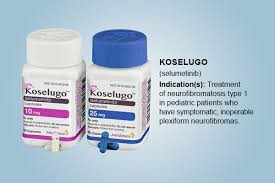
It is worth noting that selumetinib cannot"radically cure" hereditary diseases such as NF1, but it can effectively control the progression of tumors, reduce symptoms, and improve quality of life, especially in patients with high surgical risks or unresectable tumors. It is one of the few drug treatment options currently. The course of treatment is usually lengthy, and side effects such as rash, gastrointestinal discomfort, and liver function abnormalities need to be closely monitored to ensure treatment safety.
To sum up, selumetinib has clear efficacy in improving NF1 related tumor burden and delaying disease progression. It is currently the only one approved by FDAOne of the targeted drugs approved for this rare genetic disease. With the deepening of research, selumetinib or its similar drugs may play a role in more genetic mutation-related diseases in the future, bringing new hope for the treatment of genetic diseases.
Reference materials:https://www.drugs.com/
[ 免责声明 ] 本页面内容来自公开渠道(如FDA官网、Drugs官网、原研药厂官网等),仅供持有医疗专业资质的人员用于医学药学研究参考,不构成任何治疗建议或药品推荐。所涉药品可能未在中国大陆获批上市,不适用于中国境内销售和使用。如需治疗,请咨询正规医疗机构。本站不提供药品销售或代购服务。


