
.jpeg)
What are the specific medication methods and precautions for using Alpelisib?
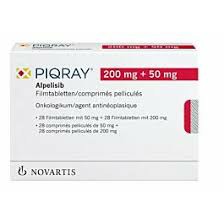
Alpelisib (trade name: Piqray) is a selective PI3Kα inhibitor, mainly used to treat patients with PIK3CA mutations< For patients with span>HRpositive, HER2negative advanced or metastatic breast cancer, it is usually combined with the aromatase inhibitor fulvestrant (Fulvestrant). Correct medication methods and comprehensive usage precautions are of great significance to ensure treatment effects and patient safety. The following will introduce in detail the key points of the use of Apelvis from the aspects of taking, dosage adjustment, prevention of complications and use by special groups.
1. Recommended method of taking Apelvis
Apelix is an oral medication, and the recommended dose is 300 mg once a day, taken with food. Usually available in tablet form, 150 mg each, to be taken as two tablets daily. The medication time should be kept relatively fixed, such as taking it after breakfast every day, to maintain the stability of blood concentration. Do not take it on an empty stomach because the drug absorption is lower in the fasting state, which may affect the efficacy.
Patients should swallow the tablet whole and do not chew, crush or dissolve. If a dose is missed and the time until the next dose is short (less than 9 hours), skip the missed dose and do not double the dose. If vomiting occurs, it is not recommended to take another dose. Just wait until the next day to take it on time.
2. Suggestions on combined medication and dose adjustment
Apelixis is usually used in combination with fulvestrant, which is injected once every 28 days, 500mg each time, respectively Injections on days 1, 15 and 29 and then once a month. The purpose of combined medication is to enhance the anti-tumor effect and delay the occurrence of drug resistance. PIK3CA mutation testing needs to be performed before treatment is started. Only patients with positive mutations are suitable for Apelvis.
Some patients may need dose adjustment due to side effects. If toxic reactions of Grade 3 or above (such as severe hyperglycemia, rash, diarrhea) occur, the medication should be suspended until symptoms improve and then restarted, and the dose should be reduced to 250mg or 200mg/ days as appropriate. Dosage adjustments must be made under the guidance of a doctor and cannot be changed without authorization.
3. Common adverse reactions and precautions during medication
The most common adverse reactions of apelix include hyperglycemia, rash, diarrhea, fatigue, nausea, etc. Among them, hyperglycemia is the problem that requires close monitoring. About two-thirds of patients may experience varying degrees of elevated blood sugar, especially those with a history of diabetes or impaired glucose tolerance. Therefore, fasting blood glucose and HbA1c levels should be monitored regularly before medication and during treatment. If blood sugar is found to be elevated, the doctor may intervene with metformin or other antidiabetic drugs.
In addition, rash usually appears in the first few weeks after taking the drug and may be accompanied by itching and erythema. In severe cases, it may develop into exfoliative dermatitis or erythema multiforme. It is recommended that patients report skin discomfort to their physician immediately and use antihistamines or topical steroids in advance for prevention.
Other common adverse reactions include stomatitis, dehydration, electrolyte disorders, liver function abnormalities, etc. Therefore, changes in body fluid balance, electrolytes (especially potassium, sodium, and phosphorus), as well as liver and kidney function indicators should be paid close attention to. Female patients also need to be wary of drug-induced menstrual abnormalities or changes in fertility.
4. Recommendations for use and discontinuation considerations for special groups
For elderly patients (65 years and above), apelvis should be used with caution because its metabolic capacity is weakened and it is more sensitive to adverse drug reactions. For patients with hepatic and renal insufficiency, there is currently a lack of sufficient data support, and the risk should be carefully assessed before use, and monitoring should be strengthened during treatment.
In addition, Apelvis may cause harm to the fetus and is contraindicated for pregnant and lactating women. Women of childbearing age must take effective contraceptive measures during the medication and for a period of time after stopping the medication.
Once intolerable side effects occur during treatment (such as persistent grade 3 or above hyperglycemia, severe rash or persistent diarrhea, etc.), or the patient's condition progresses significantly, permanent discontinuation of the drug should be considered. Such decisions should be made by a professional oncologist based on a comprehensive assessment of the patient's overall condition.
Apelix, as a precisely targeted PIK3CA mutated PI3Kα inhibitor, plays an important role in the treatment of breast cancer. Reasonable dosage, strict side effect monitoring and individualized dose adjustment are the keys to achieving efficacy and safety. Patients should closely cooperate with their doctors during medication and regularly review blood sugar, electrolytes, and liver and kidney functions to minimize risks and maximize treatment benefits. At the same time, for people with underlying diseases or special physiological conditions, the risks should be carefully assessed and used in a standardized manner. The emergence of Apelvis has provided new treatment options for some patients with refractory breast cancer, but rational drug use and continuous management are still the core of successful treatment.
Reference materials:https://www.drugs.com/
[ 免责声明 ] 本页面内容来自公开渠道(如FDA官网、Drugs官网、原研药厂官网等),仅供持有医疗专业资质的人员用于医学药学研究参考,不构成任何治疗建议或药品推荐。所涉药品可能未在中国大陆获批上市,不适用于中国境内销售和使用。如需治疗,请咨询正规医疗机构。本站不提供药品销售或代购服务。


