
.jpeg)
How to alleviate adverse reactions while using Vimseltinib
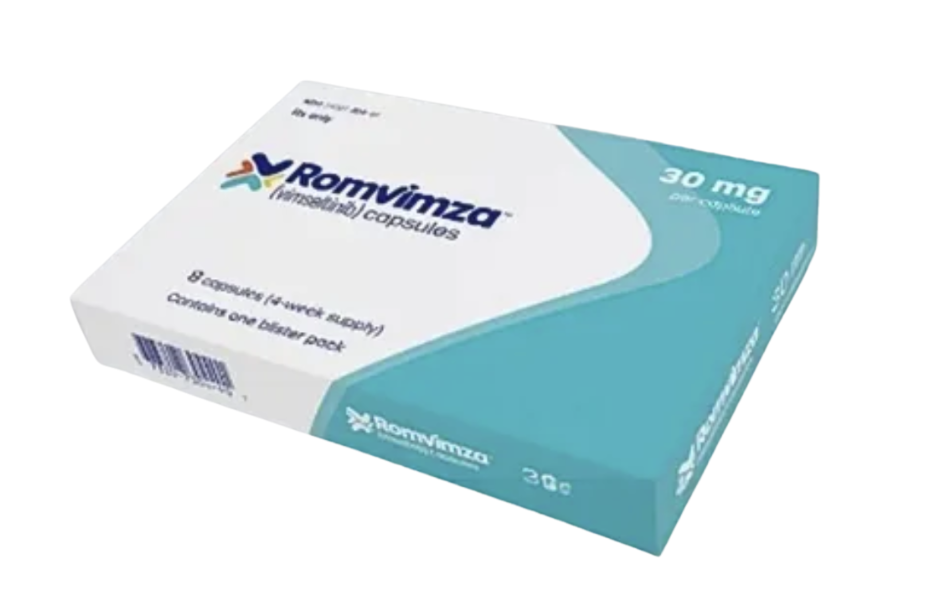
Vimseltinib (Vimseltinib), as a new type of oral small molecule targeted drug, is widely used in the treatment of various malignant tumors. Although its efficacy is significant, patients may experience varying degrees of adverse reactions during the treatment process. Reasonably and effectively alleviating these adverse reactions can not only improve patients' quality of life, but also ensure the continuity of treatment and maximize the efficacy. This article will introduce in detail the common adverse reactions of vimsetinib and corresponding mitigation measures to help patients and medical staff scientifically deal with side effects during treatment.
1. Common adverse reactions and their characteristics
The most common adverse reactions of vimsetinib in clinical use include gastrointestinal reactions (such as nausea, vomiting, diarrhea), skin reactions (rash, itching), fatigue, liver function abnormalities and hematological abnormalities (such as anemia, leukopenia, etc.). In addition, some patients may also experience symptoms such as stomatitis, abnormal taste, and swelling. Most of these adverse reactions are mild to moderate, usually more obvious in the early stages of treatment, and can be effectively alleviated after appropriate intervention.
2. Measures to alleviate gastrointestinal adverse reactions
Gastrointestinal symptoms are the most common side effect of vimsetinib. For nausea and vomiting, patients should use anti-nausea drugs under the guidance of a doctor, such as 5-HT3 receptor antagonists (ondansetron) or metoclopramide, which can effectively relieve symptoms. At the same time, dietary adjustment is also very important. It is recommended that patients eat small meals frequently and avoid greasy, spicy and irritating foods. Patients with diarrhea should maintain adequate fluid intake, appropriately replenish electrolytes, and use antidiarrheal drugs such as loperamide if necessary, but they should be used as directed by the doctor to avoid excessive inhibition of intestinal peristalsis.
3. Management of skin reactions and fatigue
Skin reactions such as rash and itching are common. You should keep your skin clean and moisturized and avoid using irritating products. Depending on the severity of the rash, your doctor may recommend topical steroid ointments or oral antihistamines to relieve symptoms. If symptoms are severe, the dose of vimsitinib may need to be adjusted. For fatigue symptoms, patients should arrange rest time reasonably to avoid overexertion, and at the same time maintain appropriate physical exercise to enhance physical strength. In addition, a balanced diet and psychological support can also help relieve fatigue.
4. Monitoring and intervention of liver function abnormalities and hematological abnormalities
Vimsetinib may cause liver function abnormalities, and patients need to undergo regular liver function tests. If liver enzymes are found to be elevated, the doctor will adjust the drug dose or suspend the drug according to the specific situation. You should avoid drinking alcohol and using other drugs that are harmful to the liver to reduce the burden on the liver. Hematological abnormalities such as anemia, leukopenia, etc. require regular blood routine examinations, and corresponding supportive treatments, such as blood transfusions or growth factor drugs, are given when necessary. Maintaining good living habits and nutritional status can help reduce adverse reactions in the blood system.
5. Other adverse reactions and comprehensive management
Stomatitis can be reduced by keeping the mouth clean and avoiding spicy and irritating foods. Although dysgeusia is difficult to completely eliminate, it can be alleviated by adjusting the diet and improving the taste experience. Swelling symptoms require close observation and contact a doctor for treatment if necessary. Overall, the adverse reactions of vimsitinib require comprehensive management through multidisciplinary collaboration, combining drug adjustment, symptomatic treatment, and lifestyle intervention.
6. The importance of patient self-management and doctor-patient communication
Patients should actively cooperate with treatment, return for follow-up visits on time, and report discomfort symptoms to the doctor in a timely manner. By establishing a good doctor-patient communication mechanism, early detection and timely treatment of adverse reactions can be achieved to avoid aggravation of symptoms and impact on treatment effects. At the same time, patients and their families should understand the potential side effects of drugs, master basic relief methods, and improve medication compliance.
Vimsetinib, as an effective targeted therapy drug, plays an important role in cancer treatment. Although it has many adverse reactions, most of them can be controlled and managed through scientific monitoring and targeted mitigation measures. Patients should combine drug treatment with life adjustments under the guidance of professional doctors to minimize the impact of adverse reactions on life and ensure the smooth progress of treatment and the realization of curative effects.
Reference materials:https://www.drugs.com/
xa0
[ 免责声明 ] 本页面内容来自公开渠道(如FDA官网、Drugs官网、原研药厂官网等),仅供持有医疗专业资质的人员用于医学药学研究参考,不构成任何治疗建议或药品推荐。所涉药品可能未在中国大陆获批上市,不适用于中国境内销售和使用。如需治疗,请咨询正规医疗机构。本站不提供药品销售或代购服务。


