
.jpeg)
Introduction to the drug teclistamab and analysis of its therapeutic mechanism
Teritolumab (teclistamab) is an innovative bispecific T-cell engager (bispecific T-cell engager, BiTE), mainly used to treat hematological malignancies such as multiple myeloma. The drug was developed by a pharmaceutical company and has been verified in multiple clinical trials and has demonstrated significant efficacy in patients with relapsed or refractory multiple myeloma. Teritusumab received accelerated approval from the U.S. FDA in 2022 and became one of the first immunotherapies to be launched against BCMA (B cell mature antigen), marking a new era of immunotherapy in the treatment of multiple myeloma.
Terituzumab targets BCMA (B cell maturation antigen), which is highly expressed on the surface of multiple myeloma cells. This is a protein that is restrictedly expressed in mature plasma cells and multiple myeloma cells and is hardly expressed in normal tissues, making it an ideal target. By specifically binding to BCMA, teritolumab can accurately identify and lock tumor cells, achieve precise killing, and reduce the risk of damage to normal cells.
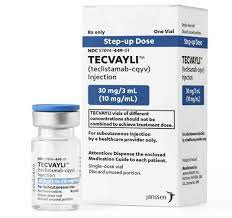
The uniqueness of Teritusumab is that it has a dual target structure, one end binds to BCMA, and the other end binds to TCD3 molecules on the cell surface. Through this mechanism, teritusumab "recruits" T cells in the patient's body to the vicinity of tumor cells, prompting T cells to activate and release cytotoxic factors, directly killing myeloma cells. This immune cell-mediated killing method effectively overcomes the problem of traditional chemotherapy resistance and improves the specificity and effectiveness of treatment.
Due to its innovative immunomodulatory mechanism, teritusumab has demonstrated good clinical efficacy in the treatment of multiple myeloma, including significant tumor response rates and long progression-free survival. In the future, teritusumab is expected to be used in combination with other targeted drugs, immune checkpoint inhibitors, etc. to further improve the efficacy and expand the indications. With the advancement of technology and accumulation of clinical experience, this type of bispecific antibodies will become an important part of the treatment of hematological tumors, bringing hope of survival to more patients.
Reference materials:https://www.drugs.com/
[ 免责声明 ] 本页面内容来自公开渠道(如FDA官网、Drugs官网、原研药厂官网等),仅供持有医疗专业资质的人员用于医学药学研究参考,不构成任何治疗建议或药品推荐。所涉药品可能未在中国大陆获批上市,不适用于中国境内销售和使用。如需治疗,请咨询正规医疗机构。本站不提供药品销售或代购服务。


