
.jpeg)
Differences and clinical use comparison between trametinib and binimetinib
Trametinib (Trametinib) and bimetinib (Binimetinib) are both new generation MEK inhibitors, which are widely used in the targeted therapy of a variety of malignant tumors, especially melanoma and certain solid tumors. Although both are inhibitors of MEK1/2, there are significant differences in pharmacological properties, indications, combination drug strategies and clinical application effects. This article will compare the two in detail from four aspects: pharmacological mechanism, scope of indications, clinical efficacy and safety, to help clinicians and patients better understand and choose.
1. Comparison of pharmacological mechanisms
Trametinib and bimetinib are oral small molecule targeted drugs that mainly inhibit mitogen-activated protein kinase kinase (MEK)1 and MEK2, blocking key signaling in the RAS-RAF-MEK-ERK signaling pathway, thereby inhibiting the proliferation and survival of tumor cells.
Trametinib is a highly selective MEK1/2non-ATP competitive inhibitor with strong binding affinity, which can effectively and continuously inhibit the phosphorylation of ERK and block signal transduction. In contrast, bimetinib is also a non-ATP competitive inhibitor, but there are certain differences in metabolic pathways and pharmacokinetic parameters in the body. Its half-life is slightly shorter, and the peak drug concentration and maintenance time are different. Both can be used alone or in combination with BRAF inhibitors to improve efficacy and reduce drug resistance.
2. Indications and combination medication strategies
Trametinib was first approved by the FDA for patients with advanced or metastatic melanoma harboring BRAF V600 mutations. Clinically, trametinidol is used in combination with dabrafenib (Dabrafenib). The two synergistically inhibit BRAF and MEK and significantly improve progression-free survival and overall survival rate. In addition, trametinib has also been approved for BRAF V600 mutated non-small cell lung cancer (NSCLC) patients, expanding its scope of application.
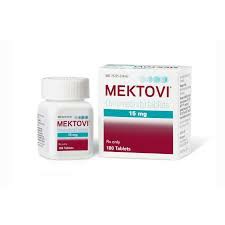
Bimetinib has also been approved by the USFDA for the treatment of carriersBRAF Patients with advanced melanoma with V600E or V600K mutations, but it was launched later than trametinib and is mainly known for its use in combination with the BRAF inhibitor enbrutinib (Encorafenib). The combination of bimetinib and enbrutinib has been proven to be effective in delaying disease progression and improving patients' quality of life while showing good safety.
3. Comparison of clinical efficacy
Multiple clinical trials have shown that the overall response rate (ORR) of trametinib combined with dabrafenib in patients with BRAF mutated melanoma is 60%above, the median progression-free survival (PFS) can reach more than 11 months, which is significantly better than monotherapy. The efficacy of trametinib in NSCLC has also been confirmed, and it is particularly suitable for patients with BRAF V600E mutations.
Bimetinib combined with enbrutinib also shows a higher response rate and longer PFS in the treatment of advanced melanoma. Some studies have shown that its safety is better than trametinib/dabrafenib combination, especially in reducing skin toxicity and ocular adverse events. However, there are relatively few studies on bimetinib in non-melanoma indications such as lung cancer, and its clinical application needs to be expanded.
4. Differences in safety and tolerance
Common side effects of trametinib include rash, diarrhea, edema and effects on cardiac function. Some patients need to monitor cardiac function and fundus lesions. Drug resistance may occur with long-term use, and combined use of drugs can delay the development of drug resistance.
Bimetinib is generally well tolerated, and the incidence of skin toxicity and ocular adverse events is low, but it is still necessary to be alert to abnormal liver function and musculoskeletal symptoms. The sustained-release tablet form of bimetinib can help reduce adverse reactions caused by peak drug concentrations and improve patient compliance.
In summary, trametinib and bimetinib, as MEK inhibitors, both play an important role in targeted therapy. Trametinib has become a standard drug for the treatment of BRAF mutated melanoma and some lung cancers due to its early launch, wide indications and support from multiple large-scale clinical trials. Bimetinib provides another effective option for patients with its good safety and new combination regimen. Clinically, appropriate drugs should be selected individually based on the patient's specific gene mutation type, tolerance, and combined treatment options to achieve the best efficacy and quality of life.
Reference materials:https://www.drugs.com/
[ 免责声明 ] 本页面内容来自公开渠道(如FDA官网、Drugs官网、原研药厂官网等),仅供持有医疗专业资质的人员用于医学药学研究参考,不构成任何治疗建议或药品推荐。所涉药品可能未在中国大陆获批上市,不适用于中国境内销售和使用。如需治疗,请咨询正规医疗机构。本站不提供药品销售或代购服务。


