
.jpeg)
How long after taking Nintedanib can you consider stopping the drug and what precautions should be taken
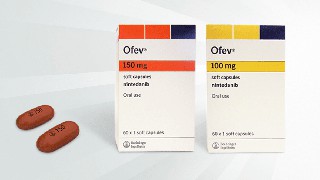
Nintedanib (Nintedanib) is an oral small molecule multi-target tyrosine kinase inhibitor, mainly used to treat idiopathic pulmonary fibrosis (IPF), systemic sclerosis-related interstitial lung disease (SSc-ILD) and non-small cell lung cancer. The drug blocks the fibrosis process and slows down the decline of lung function by inhibiting multiple signaling pathways such as vascular endothelial growth factor receptor (VEGFR), fibroblast growth factor receptor (FGFR), and platelet-derived growth factor receptor (PDGFR). Regarding the discontinuation timing of nintedanib and related precautions, the following is a detailed introduction from four aspects: treatment duration, discontinuation judgment criteria, adverse reaction management and patient monitoring.
1. How long after taking nintedanib can I consider stopping the drug?
The treatment cycle of nintedanib is usually long-term maintenance therapy, because idiopathic pulmonary fibrosis and other interstitial lung diseases are chronic progressive diseases with no cure. In most clinical trials and practices, patients generally need to continue taking medications for several months to several years to slow down the decline in lung function. Common clinical trials such as the INPULSIS series show that patients who take nintedanib continuously for at least one year can observe a significant slowdown in the decline rate of lung function (vital capacityFVC).
Whether to discontinue medication should be based on the patient's specific condition and treatment response. Generally speaking, discontinuation of medication may be considered in the following situations:
1. Serious adverse reactions are intolerable: If severe liver function damage, persistent diarrhea, rash, etc. occur, and there is no significant improvement after dose adjustment and symptomatic treatment, discontinuation of the drug should be considered.
2. The disease progresses significantly: the lung function continues to deteriorate while taking the drug and no effect is seen. The doctor may recommend stopping nintedanib and switching to other treatment options.
3.Patients with other serious diseases or requiring surgery: The drug may be temporarily discontinued based on the clinical situation and weighing the pros and cons.
4. Issues with patients’ willingness or compliance: Sometimes patients choose to discontinue medication due to side effects or other reasons, and adjustments are also required under the guidance of a doctor.
In general, nintedanib does not have a fixed course length and emphasizes individualized treatment and dynamic evaluation. Discontinuation of the drug must be done cautiously and under the guidance of a doctor.
2. Specific Criteria for Judgment of Discontinuation of Drugs
The decision to discontinue medication is mainly based on the following aspects:
1.Changes in clinical symptoms: such as worsening dyspnea, worsening cough, pulmonary function tests (especiallyFVC and DLCO) decreased significantly.
2.Imaging examination: High-resolution chest CT showed that the scope of fibrosis was significantly expanded and airway inflammation was aggravated.
3.Abnormal laboratory indicators: such as liver functionALT/AST exceeding the upper limit of normal 3 times and persisting, serious abnormality in blood pictures, etc.
4.Drug tolerance: Severe gastrointestinal reactions, rashes and other adverse reactions still occur despite dose adjustment and symptomatic treatment.
Doctors need to make a comprehensive judgment based on the patient's overall condition, and if necessary, can combine multidisciplinary discussions to formulate an individualized treatment plan.
3. Precautions before and after discontinuing nintedanib
1.Monitor changes in condition
Pulmonary function, clinical symptoms, and imaging status should be fully assessed before discontinuation. Close follow-up is required after discontinuation of medication to detect signs of worsening of the condition in a timely manner. Pulmonary fibrosis may accelerate in most patients after stopping the drug, so pulmonary function testing and imaging evaluation should be performed regularly.
2.Handling side effects
Common side effects of nintedanib include diarrhea, abnormal liver function, nausea, rash, etc. For mild to moderate side effects, it is recommended to adjust the dosage or use auxiliary drugs to avoid side effects affecting treatment compliance. Severe side effects require discontinuation of medication and symptomatic treatment.
3.Avoid blind discontinuation of medication
Patients should not stop taking the medication on their own and should do so under the guidance of a doctor. Stopping medication without professional evaluation may lead to a rapid deterioration of the condition.
4.Psychological support and lifestyle adjustments
In the management of chronic diseases, patient psychological support is extremely important. Encouraging a reasonable diet, quitting smoking, and moderate exercise can help improve the quality of life.
4. Dynamic management suggestions for patients taking nintedanib
1.Regular review: During the medication period, it is recommended to review lung function, liver function and blood routine every 3 months, and conduct imaging examinations if necessary.
2.Dose adjustment: Adjust the dose of nintedanib according to the patient's tolerance and side effects. The usual starting dose is150 mg twice a day. The dose can be reduced in cases of severe side effects.
3.Multidisciplinary collaboration: Multidisciplinary teams including pulmonologists, rheumatologists and immunologists, and clinical pharmacists collaborate to improve treatment efficacy and safety.
4.Patient education: Let patients fully understand the treatment purpose, side effects and discontinuation risks of nintedanib to improve compliance.
Nintedanib is an important drug for the treatment of pulmonary fibrosis and related diseases. Its course of treatment is usually long-term continuous use, and discontinuation of the drug needs to be carefully evaluated. It is generally recommended to use it continuously for at least 6 months, and comprehensively judge whether it is suitable to discontinue the drug through dynamic monitoring of lung function, clinical manifestations and side effects. The decision to discontinue medication should be made under the guidance of a professional doctor to avoid rebound and aggravation of the condition. At the same time, side effects management and patient education will be strengthened to improve treatment compliance and maximize the efficacy of nintedanib.
Reference materials:https://www.drugs.com/
[ 免责声明 ] 本页面内容来自公开渠道(如FDA官网、Drugs官网、原研药厂官网等),仅供持有医疗专业资质的人员用于医学药学研究参考,不构成任何治疗建议或药品推荐。所涉药品可能未在中国大陆获批上市,不适用于中国境内销售和使用。如需治疗,请咨询正规医疗机构。本站不提供药品销售或代购服务。


