
.jpeg)
Reasons and countermeasures for face turning pale after taking Upadacitinib for 6 days
Upadacitinib is a selective JAK1 inhibitor that is widely used to treat autoimmune diseases such as rheumatoid arthritis, psoriatic arthritis, ankylosing spondylitis and atopic dermatitis. Some patients may observe changes in skin color or complexion, such as "whitening" after taking the medication. Although this is not one of the common or serious adverse reactions of upadatinib, this change may be related to the drug's effects on immune regulation, hematology, or metabolism.
Paling of the face is usually not a true change in skin pigment, but may be a visual manifestation of slowed blood circulation, anemia, constricted blood vessels, or an immune system reaction. Upadatinib may affect erythropoiesis or hemoglobin levels in some patients, especially those who have mild anemia or white blood cell abnormalities after taking the drug. In the early stages of taking the drug, the body may still be adapting to the drug's regulation of the immune system, so symptoms such as paleness and fatigue may occur. In other cases, this color change may be related to a mild allergic reaction caused by the drug or a change in local blood flow.
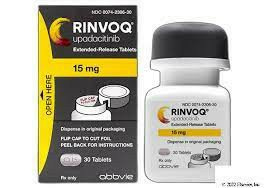
Faced with this situation, patients should not panic, but they cannot take it lightly either. First, you should observe whether there are other accompanying symptoms, such as dizziness, fatigue, shortness of breath, heart palpitations, or skin itching. If you have the above symptoms, you should seek medical treatment promptly and conduct routine blood tests, liver and kidney function tests, etc. to rule out anemia, white blood cell changes, or allergic reactions caused by the drug. If the whitening of the face is an isolated mild change and there is no obvious discomfort, you can continue to observe for 1-2 days and pay attention to diet, nutrition and rest; however, if the change persists or worsens, you should report to your doctor to evaluate whether the dosage needs to be adjusted or the medication needs to be suspended.
Finally, while taking upatinib, patients should regularly review blood routine and liver function, which is an important means for doctors to monitor the safety of the drug. If the pallor is related to drug-induced anemia or other blood abnormalities, your doctor may recommend iron supplements, vitamins, or adjustments to your treatment plan. During the entire medication process, medical advice should be followed and avoid stopping or changing medications on your own to ensure a good balance between disease control and safety.
Reference materials:https://www.drugs.com/
[ 免责声明 ] 本页面内容来自公开渠道(如FDA官网、Drugs官网、原研药厂官网等),仅供持有医疗专业资质的人员用于医学药学研究参考,不构成任何治疗建议或药品推荐。所涉药品可能未在中国大陆获批上市,不适用于中国境内销售和使用。如需治疗,请咨询正规医疗机构。本站不提供药品销售或代购服务。


