
.jpeg)
Is Anamorelin a proton pump inhibitor and analysis of its effects
Anamorelin (Anamorelin) is not a proton pump inhibitor (PPI), but an orally administered insulin-like growth factor-1 (IGF-1) stimulant, the mechanism of action is mainly related to the stimulation of ghrelin (ghrelin) receptors. It is mainly used clinically to treat cancer-related cachexia (cancer cachexia), especially syndromes such as weight loss, loss of appetite, and loss of muscle mass in patients with advanced non-small cell lung cancer (NSCLC). The following will be analyzed in detail from four aspects: drug classification, mechanism difference, anamorelin's mechanism of action and indications, and its relationship with PPI.
1. Anamorelin is not a proton pump inhibitor (PPI)
Proton pump inhibitors are a class of drugs commonly used to treat gastric acid-related diseases, such as gastroesophageal reflux disease (GERD), peptic ulcers, and hyperacidity. Common PPIs include omeprazole (Omeprazole), esomeprazole (Esomeprazole), lansoprazole (Lansoprazole), etc. This type of drug inhibits the activity of H+/K+-ATP enzyme (i.e. proton pump) in gastric parietal cells, thereby significantly reducing gastric acid secretion, thereby protecting the gastric mucosa and alleviating gastric symptoms.
The pharmacological effects of anamorelin are completely different from PPI. It does not act on gastric acid secretion, nor does it affect the function of H+/K+-ATP enzyme, so it does not belong to the proton pump inhibitor class of drugs. The two are completely different in terms of targets, clinical uses, chemical structures and therapeutic purposes.
2. The mechanism of action of Anamorelin
Anamulin is a selective ghrelin receptor agonist. Ghrelin (Ghrelin) is a polypeptide hormone secreted by the gastric wall. It can promote appetite, enhance gastrointestinal motility, and stimulate the release of growth hormone and IGF-1 by binding to receptors in the central nervous system. Anamorelin simulates the effects of ghrelin, binds to its receptors, activates neural circuits in the hypothalamus, and stimulates the appetite center, thus significantly improving the loss of appetite and weight loss caused by cachexia.
In addition, anamorelin can also stimulate the pituitary gland to secrete growth hormone (GH), indirectly increasing the levels of insulin-like growth factor-1 (IGF-1) in plasma, which also has a positive effect on muscle formation and maintenance of muscle mass. Studies show that it not only promotes weight gain but also improves physical function and quality of life.
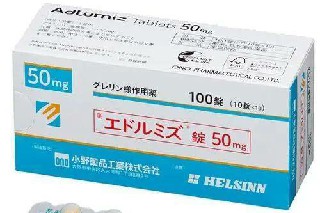
3. Indications and clinical applications
Anamorelin's primary indication is cancer-related cachexia, a complex metabolic syndrome commonly seen in patients with advanced cancer. Manifestations include significant weight loss (mainly muscle loss), decreased appetite, fatigue, and an inflammatory state that are often irreversible with routine nutritional support. The introduction of anamorelin provides a new non-invasive treatment method for these patients, especially in non-small cell lung cancer, pancreatic cancer, gastric cancer and other diseases.
Clinical studies have shown that anamorelin is effective in improving patient weight, increasing lean body mass (Lean Body Mass), increasing appetite and increasing physical strength. It is also well tolerated and common side effects such as hyperglycemia and edema are relatively controllable. This makes it a powerful tool to improve the quality of life of patients with advanced cancer.
4. Relationship with proton pump inhibitors and misunderstandings in their use
Because Anamorelin plays certain roles in the stomach (such as promoting gastric emptying and stimulating appetite), some patients or the public may mistakenly believe that it is related to gastric medicine or PPI drugs. But in fact, this association is the result of a misunderstanding. Anamorelin does not regulate gastric acid, nor does it inhibit gastric acid secretion. It has nothing to do with the mechanism of PPI drugs. It is closer to a metabolic regulator that affects the central nervous system and endocrine system, and belongs to a new class of appetite stimulating drugs.
Of course, in some clinical treatment plans, if the patient suffers from gastric discomfort or hypersecretion of gastric acid, the doctor may combine anamorelin and PPI drugs at the same time. However, this is only a combination of drugs for symptom control and does not mean that the two are directly related.
In summary, Anamorelin (Anamorelin) is a non-proton pump inhibitor drug that is specifically used to treat cancer-related cachexia by activating ghrelin receptors, promoting appetite and muscle synthesis. Its mechanism of action is completely different from that of proton pump inhibitors and cannot be confused with them. For patients who are undergoing cancer treatment and experience loss of appetite and significant weight loss, anamulin provides a new treatment direction that can help improve nutritional status and quality of life. When using it, you should take the medicine as directed by your doctor, and choose the best treatment plan based on your individual condition.
Reference materials:https://www.drugs.com/
[ 免责声明 ] 本页面内容来自公开渠道(如FDA官网、Drugs官网、原研药厂官网等),仅供持有医疗专业资质的人员用于医学药学研究参考,不构成任何治疗建议或药品推荐。所涉药品可能未在中国大陆获批上市,不适用于中国境内销售和使用。如需治疗,请咨询正规医疗机构。本站不提供药品销售或代购服务。


