
.jpeg)
Detailed explanation of whether Dasatinib is a chemotherapy drug
Dasatinib (Dasatinib) is not a chemotherapy drug in the traditional sense, but a targeted therapy drug, specifically a tyrosine kinase inhibitor (TKI) drug. It is primarily used to treat patients with Philadelphia chromosome-positive (Ph+) in chronic myelogenous leukemia (CML) and acute lymphoblastic leukemia (ALL). Unlike chemotherapy drugs, dasatinib does not work by non-selectively killing rapidly dividing cells, but rather by selectively inhibiting specific molecular targets that cause abnormal proliferation of tumor cells.
Chemotherapy drugs are a class of cytotoxic drugs with broad effects. They usually affect all rapidly dividing cells. Therefore, in addition to killing cancer cells, they also damage normal tissues, such as bone marrow, gastrointestinal epithelial cells, and hair follicles. This is also the main reason why traditional chemotherapy causes severe side effects (such as hair loss, nausea, bone marrow suppression). Dasatinib targets the BCR-ABL fusion protein and other tyrosine kinases and mainly acts on leukemia cells and has little impact on normal cells. Therefore, the side effects are relatively mild and the treatment is more selective and precise.
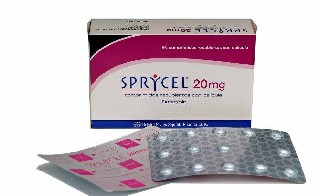
However, although dasatinib is not a traditional chemotherapy drug, it may still cause certain adverse reactions, including bone marrow suppression, bleeding tendency, pleural effusion, etc. These side effects are related to their targeted mechanisms and require close monitoring and management under the guidance of a professional physician. Therefore, during the treatment process, patients cannot take or stop taking medication on their own, and should strictly abide by the individualized treatment plan prescribed by the doctor.
In short, dasatinib is a targeted therapy drug, not a chemotherapy drug, and represents the trend of more precise and less side effects in modern cancer treatment. Its application has greatly improved the survival prognosis of Ph+ leukemia patients and is one of the current standard first-line options for the treatment of chronic myelogenous leukemia. For patients, understanding their nature and differences helps to scientifically understand the treatment process and enhance treatment confidence.
Reference materials:https://www.drugs.com/
[ 免责声明 ] 本页面内容来自公开渠道(如FDA官网、Drugs官网、原研药厂官网等),仅供持有医疗专业资质的人员用于医学药学研究参考,不构成任何治疗建议或药品推荐。所涉药品可能未在中国大陆获批上市,不适用于中国境内销售和使用。如需治疗,请咨询正规医疗机构。本站不提供药品销售或代购服务。


