
.jpeg)
How long does it take to take Vimseltinib per cycle?
Vimseltinib is an oral tyrosine kinase inhibitor that mainly targets the CSF-1 receptor. It has been approved by the US FDA for the treatment of synovial giant cell tumor (TGCT). The standard dosing regimen for this drug is usually 30 mg taken twice a week. The setting of this dosing frequency is to minimize the occurrence of toxic and side effects while ensuring the efficacy. Each course of treatment generally takes 28 days as a cycle, that is to say, patients will be evaluated as a treatment unit every 4 weeks for effect evaluation and adverse reaction observation.
In clinical studies, the treatment cycle of vimsetinib was initially set to 24 weeks, that is, a comprehensive evaluation was conducted after continuous administration of 6 cycles of 28 days. Most patients can see a reduction in the size of the lesions and relief of clinical symptoms in the first few cycles, especially significant improvements in pain relief and improvement in limited activity. For patients with obvious curative effect but still existing lesions, they can enter the open extended period of treatment according to the doctor's judgment, and some patients may receive treatment until the 49th week or even longer.
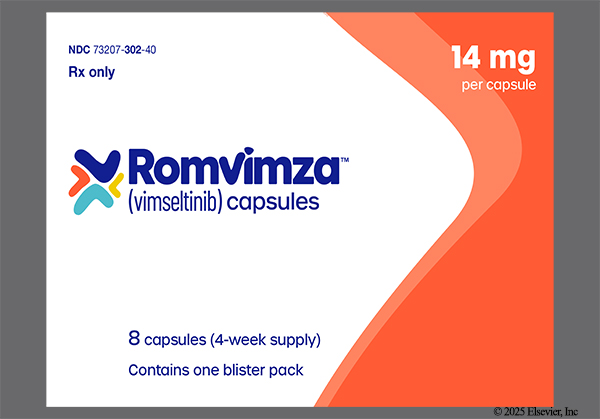
It should be noted that although the treatment course setting is relatively clear, the dosage cycle of vimsetinib still needs to be flexibly adjusted according to the patient's individual conditions. If serious adverse reactions occur, such as abnormal liver function, increased fatigue, rash, etc., the doctor may recommend suspending the medication, reducing the dose, or extending the dosing interval. Therefore, although every 28 days is a standard cycle, the treatment plan should be dynamically adjusted under the guidance of a professional doctor to ensure a balance between efficacy and safety.
In general, the treatment cycle of vimsetinib is clearly set, with every 28 days as the unit, and long-term use is supported. During the medication period, patients should regularly review liver and kidney function, blood and imaging changes, and report any discomfort to the doctor for timely intervention. Whether to continue long-term maintenance therapy needs to be decided based on disease progression and patient tolerance to ensure maximizing clinical benefits while minimizing risks.
Reference materials:https://www.drugs.com/
[ 免责声明 ] 本页面内容来自公开渠道(如FDA官网、Drugs官网、原研药厂官网等),仅供持有医疗专业资质的人员用于医学药学研究参考,不构成任何治疗建议或药品推荐。所涉药品可能未在中国大陆获批上市,不适用于中国境内销售和使用。如需治疗,请咨询正规医疗机构。本站不提供药品销售或代购服务。


