
.jpeg)
What are the common side effects after taking Mirdametinib?
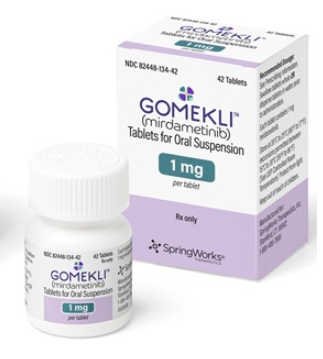
Mirdametinib is an oral selective MEK inhibitor, mainly used to treat refractory neurofibromas (plexiform neurofibromas, PN) associated with neurofibromatosis type 1 (NF1). The drug inhibits the abnormal proliferation of tumor cells by blocking the activity of MEK1 and MEK2 kinases in the MAPK/ERK signaling pathway, thereby exerting anti-tumor effects. As a new generation of targeted therapy, midametinib has shown good efficacy in improving patients' tumor volume and symptoms. However, like other targeted drugs, taking midametinib is often accompanied by various side effects, which affects the patient's treatment experience and quality of life. Therefore, an in-depth understanding of its side effect types and management is crucial for clinical application.
The most common side effects of midametinib are on the skin and digestive system. Clinical studies show that more than 90% of patients experience varying degrees of rashes and skin discomfort while taking the drug. These reactions usually manifest as acne-like rashes, itching, dryness, desquamation and even eczema-like changes. Skin side effects are typical of MEK inhibitors and are mainly related to the drug's effect on skin cell signaling pathways. Timely skin care and topical medication (such as low-efficiency or medium-efficiency hormonal ointments, antibacterial ointments) can effectively relieve symptoms and prevent skin damage and secondary infection. In addition, patients often report varying degrees of diarrhea, nausea, vomiting, and stomach pain. Most of these gastrointestinal reactions are mild to moderate and can be alleviated by adjusting diet, replenishing fluids, and appropriate use of antidiarrheal drugs.
Midametinib users also often experience discomfort symptoms of the musculoskeletal system, including myalgia, joint pain and fatigue. These symptoms may be related to the effects of the drug on skeletal muscle cells and the inflammatory response. Some patients have increased serum creatine kinase (CPK) levels during medication, indicating the risk of muscle damage. Clinically, it is recommended that such patients be monitored regularly. If severe muscle pain occurs, dosage adjustment or treatment suspension should be considered. At the same time, headache, dizziness and fatigue are also common adverse reactions, which may be related to the impact of drugs on the central nervous system. Proper rest and supportive therapy can improve symptoms.
More serious but relatively rare side effects involve eye and heart function. Midametinib may cause retinal problems, including retinal vein occlusion and retinal pigment epithelial detachment, manifested as blurred vision, visual field defects, etc. In severe cases, it may cause permanent vision damage. Therefore, patients need to undergo detailed eye examinations before taking the medicine, and need to be reviewed regularly during treatment. If there are changes in vision, they should stop taking the medicine and seek medical treatment in time. In addition, the drug may also affect heart function. Some patients experience a decrease in left ventricular ejection fraction, manifesting as heart failure symptoms such as palpitations, dyspnea, and edema. Clinical recommendations include regular cardiac function assessment before and during treatment (especially in the first year) to allow early detection and management of cardiotoxicity. In case of serious cardiac adverse reactions, medication needs to be suspended and symptomatic treatment should be carried out according to the situation.
In addition, midametinib may cause liver function abnormalities, hematological changes, and electrolyte imbalances. Some patients experience elevated transaminases, thrombocytopenia, or neutropenia. Abnormalities in these laboratory indicators suggest potential liver or bone marrow toxicity. Therefore, liver and kidney function and hematological indicators should be regularly monitored during treatment, abnormalities should be detected promptly and the medication regimen should be adjusted to reduce risks. For patients of childbearing age, special attention needs to be paid to the potential impact of drugs on reproductive function. It is recommended to use effective contraceptive measures and make family planning arrangements under the guidance of a physician.
For the management of side effects of midametinib, it is first necessary to emphasize patient education, guide patients to understand possible side effects, and encourage timely reporting of abnormal symptoms. Secondly, a standardized monitoring mechanism should be established, including regular skin examinations, ophthalmological evaluations, cardiac function tests and laboratory tests. Mild side effects, such as rash and gastrointestinal discomfort, can be controlled through local treatment, diet adjustment and symptomatic treatment; for moderate to severe adverse reactions, drug reduction or treatment suspension should be considered, and systemic drugs (such as glucocorticoids) should be used if necessary. Multidisciplinary teamwork, combined with input from experts in dermatology, cardiology, and ophthalmology, can help improve the management of side effects and ensure patient safety.
In general, midametinib is an effective drug for the treatment of NF1 related neurofibromas. Its side effects mainly include skin reactions, gastrointestinal discomfort, musculoskeletal symptoms and some serious cardio-ocular toxicity. Scientific side effect identification and management strategies can significantly reduce the impact of adverse reactions on treatment and improve patient compliance and quality of life. Clinicians should pay attention to the early detection and intervention of side effects, and at the same time strengthen medication guidance for patients to ensure the safe and effective application of midametinib and bring new hope for treatment to more patients.
Reference materials:https://www.drugs.com/
[ 免责声明 ] 本页面内容来自公开渠道(如FDA官网、Drugs官网、原研药厂官网等),仅供持有医疗专业资质的人员用于医学药学研究参考,不构成任何治疗建议或药品推荐。所涉药品可能未在中国大陆获批上市,不适用于中国境内销售和使用。如需治疗,请咨询正规医疗机构。本站不提供药品销售或代购服务。


