
.jpeg)
How to alleviate the severe side effects of Cosibelimab
Cosibelimab (Cosibelimab) is a new type of PD-L1 immune checkpoint inhibitor, used to treat various types of malignant tumors, especially showing good efficacy in advanced cutaneous squamous cell carcinoma. But similar to all immunotherapy drugs, Cosibelimab may also cause a series of immune-related side effects while bringing hope for treatment. Some patients experience excessive side effects during use. At this time, scientific response and reasonable intervention are particularly important.
First of all, the side effects of Cosibelimab mainly include fatigue, rash, itching, gastrointestinal reactions (such as diarrhea, nausea), endocrine disorders (such as thyroid dysfunction), lung inflammation, hepatitis, and renal dysfunction. In addition, symptoms such as fever, infusion reactions, and musculoskeletal pain may also occur. Although most side effects are mild to moderate reactions of grade 1-2, a small number of patients also experience serious adverse reactions of grade 3 or above. For patients with severe side effects, symptoms should be identified early and targeted measures should be taken to avoid the development of irreversible organ damage or interruption of treatment.
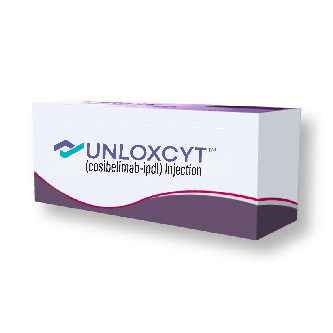
In terms of alleviating these side effects, the patient's baseline indicators should first be established before medication, including liver and kidney function, thyroid function, electrolytes, cardiopulmonary status, etc., so that changes can be compared in a timely manner when side effects occur. Mild side effects, such as rash and itching, can be relieved with antihistamines, moisturizers, or topical hormonal ointments; for gastrointestinal discomfort, antidiarrheal drugs, antacids, and nutritional support can be given. If patients experience mild fatigue, muscle soreness and other problems, they can appropriately adjust their life rhythm, increase their rest, and improve their physical fitness with appropriate exercise.
For more serious side effects, such as immune pneumonia, colitis, hepatitis, etc., it is necessary to temporarily suspend Cosibelimab treatment and use glucocorticoids for immunosuppressive treatment. If the situation does not improve, a higher level of immunosuppressant such as tacrolimus or mycophenolate mofetil needs to be introduced. At the same time, the patient's vital signs and laboratory indicators should be closely monitored to ensure that organ function remains stable. For patients with strong infusion reactions, the risk can be reduced by adjusting the infusion rate and using preventive anti-allergic drugs in advance.
In summary,CosibelimabAs an immunotherapy drug, although its side effects are generally controllable, once the reaction is too strong, it requires close collaboration among doctors, patients, and pharmacists. Through early identification, quick intervention, and stable management, side effects can be effectively alleviated without affecting the therapeutic efficacy as much as possible. It is recommended that patients review the product regularly during use and proactively inform the doctor of any physical discomfort to avoid more serious consequences caused by delayed intervention. For patients who have experienced obvious adverse reactions, adjusting the medication rhythm or changing the treatment plan under professional guidance is the key to ensuring safety and efficacy.
Reference materials:https://www.drugs.com/
[ 免责声明 ] 本页面内容来自公开渠道(如FDA官网、Drugs官网、原研药厂官网等),仅供持有医疗专业资质的人员用于医学药学研究参考,不构成任何治疗建议或药品推荐。所涉药品可能未在中国大陆获批上市,不适用于中国境内销售和使用。如需治疗,请咨询正规医疗机构。本站不提供药品销售或代购服务。


