
.jpeg)
Dose adjustment of sotorasib for special populations
Sotorasib (AMG510, Sotorasib) is a drug targeting KRAS G12C mutation in the treatment of non-small cell lung cancer (NSCLC). Its standard recommended dose is 960 mg orally once daily. However, dosage adjustments for special groups need to be carefully considered. Currently, they are mainly focused on patients with hepatic and renal insufficiency, elderly patients, and those taking multiple medications. In patients with impaired hepatic function, hepatic impairment may result in drug accumulation and increased toxicity, as sotorasiib is primarily metabolized by the liver. Patients with mild hepatic impairment generally do not need to adjust the dose, but patients with moderate to severe hepatic impairment are advised to reduce the dose or suspend the medication as appropriate to avoid serious adverse reactions while closely monitoring liver function.
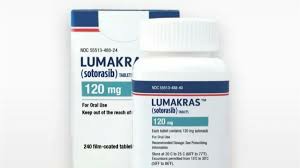
Patients with renal insufficiency usually do not need to adjust the dosage because the renal excretion rate of sotoraxib is low. However, clinical data in severe renal insufficiency are limited and caution is still needed. Elderly patients often have multiple chronic diseases and medications, and pharmacokinetics may change. For patients over 65 years of age, it is recommended to initially use the standard dose, but adverse reactions need to be closely monitored and the dose adjusted if necessary. Patients taking concomitant use of strong CYP3A4 inhibitors or inducers may affect the plasma concentration of sotoraxib, and should be avoided or the dose should be adjusted clinically. For example, strong CYP3A4 inhibitors may increase drug concentration and increase the risk of toxic side effects, so the dosage needs to be reduced or the dosing interval needs to be extended.
The safety of pregnant and lactating women has not been established and should be avoided in principle. In general, dose adjustment of sotorasib for special populations needs to be based on individual risk assessment, supplemented by clinical monitoring and auxiliary examinations to ensure that the treatment is safe and effective. As more real-world data accumulate, the dosage optimization plan will become clearer, helping to expand the clinical scope of the drug and improve patient benefits.
Reference materials:https://www.lumakras.com/
[ 免责声明 ] 本页面内容来自公开渠道(如FDA官网、Drugs官网、原研药厂官网等),仅供持有医疗专业资质的人员用于医学药学研究参考,不构成任何治疗建议或药品推荐。所涉药品可能未在中国大陆获批上市,不适用于中国境内销售和使用。如需治疗,请咨询正规医疗机构。本站不提供药品销售或代购服务。


