
.jpeg)
An effective strategy to delay resistance to sotoraxib
Sotorasib (AMG510, Sotorasib) as the first approved KRAS G12C mutation-targeted inhibitor, has greatly changed the treatment landscape for patients with KRAS mutations in non-small cell lung cancer (NSCLC). However, although sotoraxib shows good initial efficacy, drug resistance is still the main bottleneck limiting its long-term efficacy. The drug resistance mechanism is complex, including secondary mutations of KRAS gene mutations, activation of upstream or downstream signaling pathways, and changes in the tumor microenvironment. In response to these challenges, a variety of strategies to delay drug resistance have been proposed in the clinical and research fields.
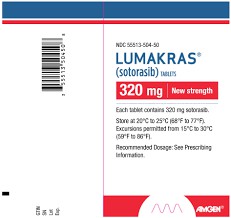
First of all, combination therapy is one of the key directions. Sotoraxib combined with MEK inhibitors, SHOC2 inhibitors, PI3K/AKT/mTOR pathway inhibitors and other target drugs can block tumor signaling from multiple angles and reduce the risk of single-drug resistance. Secondly, the combined application of immune checkpoint inhibitors and sotoraxib is also being actively explored, hoping to activate the patient's own immune system and enhance the anti-tumor response. Third, early identification of resistance markers is crucial for optimizing treatment options. Through liquid biopsy and gene sequencing technology, doctors can dynamically monitor tumor gene mutations, adjust treatment strategies in a timely manner, and avoid ineffective drug use that delays the condition.
In addition, dose optimization and dosing interval adjustment can also help delay the development of resistance. In clinical practice, patients should strictly abide by the medication regimen and avoid missing doses or stopping medication on their own to reduce the risk of drug resistance. In the future, with the in-depth research on targeted resistance mechanisms, precise combination treatment plans based on patients' individual genomes will continue to be improved to maximize the clinical benefit period of sotorasib. In short, delaying sotorasiib resistance requires comprehensive multidisciplinary collaboration to achieve more lasting tumor control through combined medication, dynamic monitoring and personalized management.
Reference materials:https://www.lumakras.com/
[ 免责声明 ] 本页面内容来自公开渠道(如FDA官网、Drugs官网、原研药厂官网等),仅供持有医疗专业资质的人员用于医学药学研究参考,不构成任何治疗建议或药品推荐。所涉药品可能未在中国大陆获批上市,不适用于中国境内销售和使用。如需治疗,请咨询正规医疗机构。本站不提供药品销售或代购服务。


