
.jpeg)
Clinical trial study to determine optimal dosing of aceminib/asinib in children with CML-CP
Asciminib was effective and well tolerated at a dose of 1.3 mg/kg BID in pediatric patients with Philadelphia chromosome-positive (Ph+) chronic myeloid leukemia chronic phase (CML-CP).
Asnib is the first BCR::ABL1 inhibitor that specifically targets ABL Myristoyl Pocket (STAMP) for adult patients with CMP-CL (newly diagnosed or previously treated). However, there is concern that exposure to tyrosine kinase inhibitors (TKIs) during the period of active growth in children may adversely affect puberty, bone metabolism, and fertility.
Presented are interim results from a Phase Ib/II study (NCT04925479) designed to determine a pediatric formulation dose of asinib (with food) that is comparable to the adult formulation dose (fasting) 40 mg BID and then investigate its efficacy and safety. For this study, the research team recruited 19 Ph+CML-CP patients under 18 years of age: 7 were between 1 and <12 years old, and 12 were between 12 and 18 years old. Patients with T315I mutations and/or patients who had received at least one TKI treatment in the past were excluded.
The first part of the study entails determining an appropriate dosage of asinib (pediatric formulation) for the pediatric population. The pharmacokinetics of the drug were evaluated in10 patients aged 12 to 18 years. The optimal pediatric dose was confirmed to be 1.3 mg/kg BID, based on comparable exposure of astanib in pediatric participants to adult participants treated with the adult formulation (40 mg BID), with no dose-limiting toxicities noted in the first 28 days.
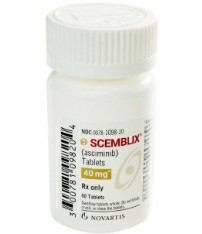
The second part of the study involves recruiting additional patients to receive doses of the confirmed pediatric formulation to assess tolerability, efficacy and safety. The third part of the study will involve recruiting an additional 10 patients to receive asinib at a dose of 2.6 mg/kg OD. The researchers presented results from an interim analysis of 10 patients who completed 28 days of treatment with pediatric doses of asinib. A total of 19 patients were enrolled in the 1.3 mg/kg BID pediatric formulation cohort.
Adverse events occurred in 18 patients, and 2 patients experienced grade 3 or higher adverse events. The most common adverse events were vomiting (n=6) and upper respiratory tract infection (n=4), with no grade 4 adverse events, serious adverse events, DLTs, or adverse events leading to discontinuation reported. The median duration of exposure to asinibwas 36.7 weeks.
As for changes in height percentiles, from baseline to data cutoff, 9 patients remained at the same percentile, 4 patients decreased in height percentile, and 6 patients increased in height percentile. In terms of bone health, four of the 19 patients had lower bone age at baseline; at week 52, this number dropped to three.
In terms of efficacy, nearly all participants had overall stable BCR:ABL1IS levels At baseline, 16 of 19 evaluable patients had BCR:ABL1IS ≤10%, and 6 patients were in major molecular response (MMR). At week 28, 10 of 11 evaluable patients had BCR:ABL1IS ≤1%; 7 of these had MMR. At week 40, all 9 evaluable patients had BCR: ABL1IS ≤1%; 6 in MMR.
Confirmed[Pediatric formulationAsnib] is dosed at 1.3 mg/kg BID and is well tolerated in pediatric patients with evidence of efficacy and no new safety signals.
Reference materials:https://www.novartis.com/our-products/pipeline/asciminib
[ 免责声明 ] 本页面内容来自公开渠道(如FDA官网、Drugs官网、原研药厂官网等),仅供持有医疗专业资质的人员用于医学药学研究参考,不构成任何治疗建议或药品推荐。所涉药品可能未在中国大陆获批上市,不适用于中国境内销售和使用。如需治疗,请咨询正规医疗机构。本站不提供药品销售或代购服务。


