
.jpeg)
Olaparib + Radium-223 produces superior rPFS in CRPC
Based on2025 Data from the Phase 1/2 COMRADE trial (NCT03317392) presented at the ASCO annual meeting comparing the PARP inhibitor olaparib/olaparib with radium-223 (Xofigo) compared with radium-2 alone Improved progression-free survival (rFS) outcomes in patients with castration-resistant prostate cancer (CRPC), regardless of their hormone recombination repair (HRR) status, compared with 23 patients. Median rPFS was 8.9 months in the combination group compared with 4.7 months in the control group (HR, 0.47; 90% CI, 0.34-0.65; P=0.0013). The benefit of rPFS was greatest among men who did not receive docetaxel and among men who had 20 or fewer bone metastases. This was an active study, with a statistically significant improvement in the primary endpoint of rPFS in the intention-to-treat population.
The COMRADE study (NCT03317392) is a Phase 1/2 study. In Phase 1, the recommended Phase 2 dose of olaparib was determined to be 200 mg twice daily, and a fixed dose of radium-223 of 55 kBq/kg every 4 weeks for a maximum of 6 doses. In the second phase, patients were randomly assigned in a 1:1 ratio to the olaparib plus radium-223 group or the radium-222 alone group. The primary endpoint was investigator-assessed rPFS. Stratification factors included prior docetaxel and degree of bone metastasis. Cross-over treatment was allowed for monotherapy groups. All patients require a baseline biopsy, and progressive biopsies are optional.
The study had a power of 88% and detected a 43% reduction in RPF, corresponding to a hazard ratio of 0.57 and a one-sided alpha of 0.1, with 120 patients enrolled. However, a total of 133 patients were included in phase 2 because the first 13 patients were incorrectly assigned to the combination group due to an error in the electronic randomization algorithm, resulting in non-randomization. When this error was detected, the protocol was modified to expand enrollment to 133 patients, thus ensuring that 120 patients were correctly enrolled.
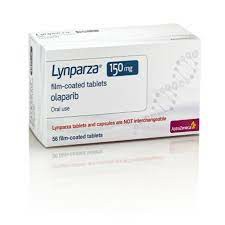
At the time of this analysis,57 patients had discontinued treatment in the olaparib plus radium-223 arm, and among patients who received radium-233 alone, 55 patients discontinued treatment, with 23 patients switching to the combination.
Baseline characteristics across the treatment groups were well balanced, with median age69 years (range, 63-77 years) in the combination group and 71 years (range, 66-76 years) in the monotherapy group. The majority of patients were white, and approximately one-third had an ECOG performance status of 0.
In both groups, at least46% of patients had 20 or more bone metastases at baseline bone scan, and most patients had received prior androgen receptor pathway inhibitor therapy (96.7% vs. 94.9%) and prior docetaxel therapy (52.5% vs. 50.8%). In addition, according to study requirements, most patients also took bone protective agents (88.5% vs. 91.5%).
In a previous prespecified subgroup analysis with docetaxel, the largest effect was seen in patients who did not receive docetaxel, with median rPFS of 13.7 months in the combination arm compared with 5.7 months in the monotherapy arm (HR, 0.24; 90% CI, 0.15-0.40). Additionally, in a prespecified analysis of the extent of bone metastases, patients with 20 or fewer bone metastases on bone scan did best, with median rPFS of 13.4 months versus 4.2 months (HR, 0.21; 90% CI, 0.13-0.33).
PSA response in the intention-to-treat population was also measured and showed that 14.8% of patients had a PSA50 response, with any PSA falling by 39.3% in the combination treatment group and 35.6% in the single treatment group. In the combination treatment group, alkaline phosphatase reactions were observed in 49.2% of patients compared with 50.8% in the radium-223 treatment group. Regarding the secondary time-to-event endpoint, McKay and colleagues observed that the time to first symptomatic skeletal event was longer in the combination therapy group compared with the monotherapy group, with 1-year cumulative rates of 12.7% and 22.9%, respectively.
No differences were observedTime to PSA progression, time to alkaline phosphatase progression, time to initiation of subsequent therapy, and overall survival. Interestingly, the median overall survival was 20 months in the combination group compared with 21 months in the monotherapy group. This may be the result of 23 patients switching to combination therapy. Additionally, 72% of patients continued to receive any subsequent treatment, with 17 receiving chemotherapy, 14 receiving 177Lu-PSMA-617, and 5 entering clinical trials.
Regarding toxicity, 56% of patients in the combination treatment group and 33% of patients in the radium-223 treatment group experienced grade 3 or higher treatment-related adverse events. The main driver behind this difference is an increased rate of lymphopenia [31.0%], which is largely controlled by observation. The anemia rate was slightly higher in the combination therapy group at 22.0% compared to 16.3% in the monotherapy group. In the combination therapy group, 23.7% of patients discontinued olaparib due to toxicity and 11.9% of patients discontinued radium-223 due to toxicity. In the radium-223 monotherapy group, 5.4% of patients discontinued treatment due to toxicity.
atIn the ctDNA cohort, 18.9% of patients in the combination therapy group were HRR-positive, while 26.5% of patients in the monotherapy group were HRR-positive. When looking at HRR gene status, the rPFS benefit in the combination treatment group was most evident in patients without HRR changes (HR, 0.49; 90% CI, 0.34-0.71), which was statistically significant. With only 23 patients in the HRR-positive group, it's difficult to draw conclusions...but confirmatory tissue analysis is currently underway.
The prognostic significance of ctDNA tumor fraction on day 1 of cycle 1 was determined between the overall population and treatment groups and showed that the presence of ctDNA was associated with shorter rPFS in the overall population. The benefit of the combination treatment was observed in both the ctDNA-negative and positive groups. Likewise, the prognostic significance of ctDNA tumor score at cycle 2 day 1 was also determined, with data showing that the presence of ctDNA was associated with shorter rPFS in the overall population. The benefit of the combination treatment was observed in both the ctDNA-negative and positive groups.
The combination of olaparib and radium-223 demonstrates feasibility, safety and anti-tumor activity in patients with metastatic castration-resistant prostate cancer with bone metastases.
Reference materials:https://www.lynparza.com/
[ 免责声明 ] 本页面内容来自公开渠道(如FDA官网、Drugs官网、原研药厂官网等),仅供持有医疗专业资质的人员用于医学药学研究参考,不构成任何治疗建议或药品推荐。所涉药品可能未在中国大陆获批上市,不适用于中国境内销售和使用。如需治疗,请咨询正规医疗机构。本站不提供药品销售或代购服务。


