
.jpeg)
Which common drugs should not be taken with Nilotinib?
Nilotinib is a tyrosine kinase inhibitor mainly used to treat chronic myelogenous leukemia (CML), especially in BCR-ABL positive patients. As a class of oral anti-cancer targeted drugs, nilotinib has the risk of potential drug interactions during use. To ensure efficacy and avoid serious adverse reactions, patients need to pay special attention to interactions with other commonly used drugs when using nilotinib.
Nilotinib should not be taken withCYP3A4 strong inhibitors. Nilotinib is mainly metabolized by CYP3A4 enzyme in the liver. If combined with such drugs, its blood concentration will be significantly increased, thereby increasing the risk of cardiotoxicity such as QT interval prolongation and arrhythmia. Common CYP3A4 inhibitors include ketoconazole, itraconazole, clarithromycin, and ritonavir. Therefore, it is recommended to avoid or use these drugs with caution while taking nilotinib.
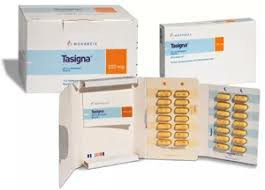
Nilotinib cannot be combined with strong inducers of CYP3A4 because these drugs will accelerate the metabolism of nilotinib, thereby reducing its plasma concentration and efficacy. Common inducers include rifampicin, phenobarbital, carbamazepine, and St. John’s Wort (St. John’s Wort). The use of these drugs may lead to treatment failure or an increased risk of drug resistance, so adjustments should be made under the guidance of a physician when combined use is necessary.
Nilotinib may interact with antacids (e.g., antacids, proton pump inhibitors). The absorption of nilotinib is closely related to the gastric acid environment. If you take omeprazole, ranitidine or antacids containing aluminum and magnesium at the same time, it will affect the absorption of the drug and reduce its effective concentration in the body, thereby weakening the therapeutic effect. Therefore, if such drugs are needed, it is usually recommended to stagger their administration by several hours with nilotinib.
Nilotinib should also be avoided with drugs that may prolong the QT interval, such as fluoroquinolone antibiotics, certain antipsychotics (such as ziprasidone) and antidepressants (such as fluoxetine). Nilotinib itself has prolonged ECGQTThe risk of interval, if used in combination with other similar drugs, will greatly increase the possibility of serious arrhythmia. Therefore, before starting to use nilotinib, patients should inform their doctors of the list of all medications they are using so that reasonable medication adjustments can be made to ensure medication safety.
Reference materials:https://www.drugs.com/
[ 免责声明 ] 本页面内容来自公开渠道(如FDA官网、Drugs官网、原研药厂官网等),仅供持有医疗专业资质的人员用于医学药学研究参考,不构成任何治疗建议或药品推荐。所涉药品可能未在中国大陆获批上市,不适用于中国境内销售和使用。如需治疗,请咨询正规医疗机构。本站不提供药品销售或代购服务。


