
.jpeg)
What is the clinical trial data on the efficacy of Vimseltinib in treating giant cell tumor?
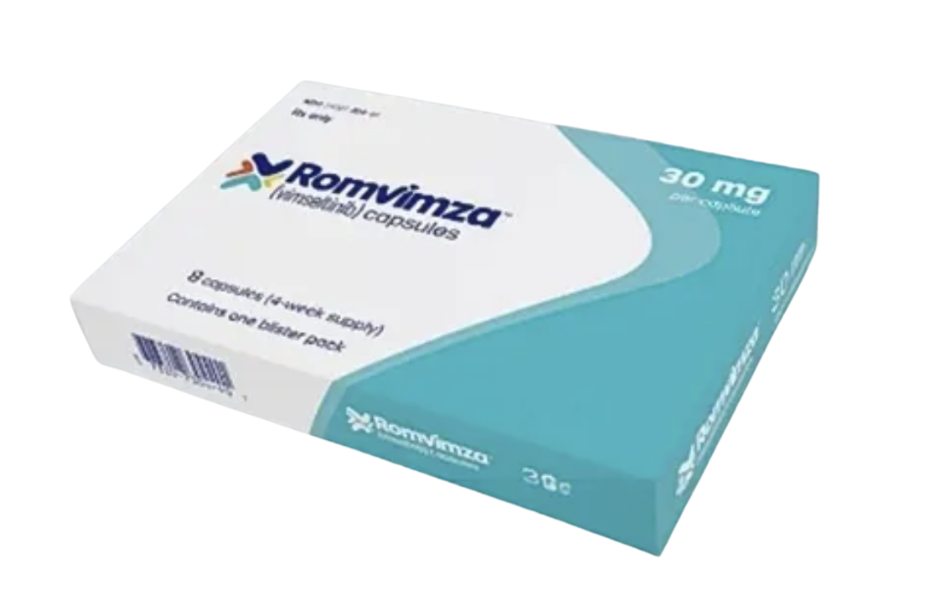
Vimseltinib (trade name Romvimza) is an oral small molecule kinase inhibitor targeting CSF1R (colony stimulating factor 1 receptor), specifically used to treat adult symptomatic synovial giant cell tumors (tenosynovial giant cell tumor, referred to as TGCT), especially in patients who cannot be surgically removed or whose removal may cause severe functional disability. TGCTIt is a relatively rare soft tissue tumor that mainly occurs in joints, synovium and tendon sheaths. Tumor growth may cause pain, swelling and limited joint function, seriously affecting the patient's quality of life. The launch of vimsetinib provides a new treatment option for this type of patients, especially those with higher surgical risks or frequent recurrences.
The clinical efficacy of vimsatinib mainly comes from the MOTION study, which is one of the most important phase III clinical trials of TGCT to date. This study is a multi-center, randomized, double-blind, placebo-controlled Phase III clinical trial designed to evaluate the therapeutic efficacy and safety of vimsetinib in patients with TGCT. The MOTION study included 123adult TGCT patients whose tumors reached or exceeded 2cm and who would be at high risk of dysfunction due to tumor location or size with traditional surgical resection. Patients were randomly divided into two groups, one group received treatment with vimsetinib at a dose of 30 mg twice weekly, and the other group received placebo for 24 weeks. During the study period, the efficacy was comprehensively judged through imaging evaluation and improvement of the patient's clinical symptoms.
The main efficacy indicator of the study is the objective response rate (Objective Response Rate, ORR) at 25 weeks, which is the reduction ratio of the patient's tumor size that reaches the established standard. The results showed that the ORR in the vimsatinib group reached 40%, while that in the placebo group was 0%. The difference was highly statistically significant (P < 0.0001). In addition, tumor volume scoring (When evaluated by Tumor Volume Score, TVS), the response rate of the vimsertinib group was higher, reaching 67%, which was significantly better than the placebo group. This demonstrates that vimsetinib is not only effective in reducing tumor size but can also lead to actual clinical improvement. During the treatment, patients' tumor-related symptoms such as pain, swelling and joint stiffness were significantly relieved, which greatly improved their quality of life.
In addition to tumor response rate, vimsetinib also showed significant advantages in improving patients' joint function and daily activities. At week 25, the active joint range of motion (Range of Motion, ROM) average improvement of 18.4%, far exceeding the 3.8% of the placebo group. Patients' self-reported physical function assessment (PROMIS-PF), pain scores, and stiffness all showed significant improvements, as did patients' fatigue and overall quality of life. The improvement of these functional and symptomatic indicators fully reflects the positive impact of vimsetinib on the overall health status of patients. Especially for those patients with limited mobility due to tumors, the therapeutic effect of this drug is particularly valuable.
The overall safety profile of vimsertinib is good. Common adverse reactions include eyelid edema (45%) and facial edema (31%), fatigue (33%), itching (29%), headache (28% pan>), weakness (27%), nausea (25%), elevated creatine kinase (24%) and aspartate aminotransferase (AST) were elevated (23%). Most of these side effects are mild to moderate, and some patients experience grade 3 or grade 4 serious adverse reactions, but the overall incidence is low. Of particular concern is that elevated creatine kinase is the only condition with an incidence rate exceeding 5%3-4 grade adverse reactions, the incidence rate is about 10%. Nonetheless, hepatotoxic events are extremely rare, and no cases of drug-related cholestasis or liver injury have been reported. During the treatment process, approximately 6% of patients discontinued medication due to adverse reactions, indicating that the drug is well tolerated. Clinicians recommend that during treatment, the patient's blood routine, liver function and creatine kinase levels should be closely monitored in order to detect and manage adverse reactions in a timely manner and ensure medication safety.
The launch of Vimsetinib marks a major progress in the treatment field of TGCT. Traditional treatmentTGCTmainly relies on surgical resection. However, for patients with special tumor locations, extensive areas, or multiple recurrences, surgery often faces high risks and is difficult to cure. Chemotherapy and radiotherapy have limited application in this disease, with poor efficacy and significant side effects. Vimsetinib blocks key signals in the tumor microenvironment by targeting CSF1R, inhibiting the proliferation and survival of tumor cells, providing an effective and relatively safe treatment path for patients who are inoperable or at high risk of surgery. The convenience of oral administration also improves patients' treatment compliance and quality of life.
In summary, vimsatinib, as a new kinase inhibitor targeting CSF1R, has become an important treatment option for patients with symptomatic synovial giant cell tumors due to its significant tumor response rate, functional improvement effect and good safety and tolerance. MOTIONThe research provides solid clinical evidence for its efficacy and safety, and its clinical application prospects are broad. For TGCT patients, vimsetinib not only improves tumor-related symptoms, but also significantly improves daily functions and quality of life, greatly alleviates patients' pain and brings new hope for treatment.
Reference materials:https://www.drugs.com/
[ 免责声明 ] 本页面内容来自公开渠道(如FDA官网、Drugs官网、原研药厂官网等),仅供持有医疗专业资质的人员用于医学药学研究参考,不构成任何治疗建议或药品推荐。所涉药品可能未在中国大陆获批上市,不适用于中国境内销售和使用。如需治疗,请咨询正规医疗机构。本站不提供药品销售或代购服务。


