
.jpeg)
Genomic changes may contribute to resistance to sotoraxib KRAS G12C+ combination in colorectal cancer patients
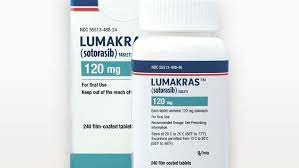
DNA methylation dysregulation, RTK pathway alterations, and KRAS amplification may contribute to KRAS, according to biomarker results from the CodeBreaK 300 Phase 3 trial (NCT05198934) published in2025 Resistance to sotorasib (AMG510, Sotorasib) plus panitumumab in patients with G12C mutated metastatic colorectal cancer (mCRC).
The distribution of genes showing emergent alterations was comparable in the sotoracib/panitumumab and investigator's choice groups, with an average of 5 genes carrying emergent mutations observed per patient (P=0.99). In addition, the proportion of patients carrying more than 10 urgently altered genes was similar in the study and control groups (P=0.62).
The data showed relatively different patterns of change across the treatment groups in the study. In addition, there were numerical differences in ERBB2 and MET changes between treatment groups, although they were not statistically significant. In the investigator's choice group (n=34), the change rate in ERBB2 was 14.7% (95% CI, 6.4%-30.1%), and in the sotoraxib 240 mg plus panitumumab group (n=33) 9.1% (95% CI, 3.1%-23.6%) and 6.3% (95% CI, 1.7%-20.1%) in the sotoraxib 960 mg plus panitumumab group (n=32). In addition, the MET change rates in each group were 5.9% (95% confidence interval, 1.6%-19.1%), 6.1% (95% confidence interval, 1.7%-19.6%), and 18.8% (95% CI, 8.9%-35.3%).
Overall, 49.2% of patients who received sotolaresiib/panitumumab and 17.6% of patients who received investigator's choice of treatment developed RAS mutations in addition to G12C. The median copy number of KRAS copy number variants in the investigator-selected group was 2.05, 4.24 in the 240 mg group, and 4.18 in the 960 mg group.
Of the 3 patients who had a partial response to sotosiib at the 960 mg dose and had samples available at the end of treatment, all had acquired mutations in DNMT3A and KRAS copy number gain. Furthermore, acquired mutations in DNMT3A were independently associated with improved objective response (P=0.007; OR, Inf; 95% CI, 2.14-Inf).
The distribution, prevalence, and pattern of emergent genomic alterations were similar across the CodeBreaK 300 treatment groups, and additional mechanisms of primary and acquired resistance, including loss of wild-type KRAS, are being explored to determine their relationship to treatment group efficacy.
InCodeBreak 300 study, 160 KRAS Patients with G12C-mutated metastatic CRC were randomized 1:1:1 to receive investigator's choice of trifluridine/tipiracil (Lonsurf) or regorafenib (Stivarga; n=54) 240 mg daily. /span>Sotoraxibplus panitumumab at 6 mg/kg every two weeks (n=53), or 960 mg of sotoraceib daily plus the same dose of panitumumab (n=52). 2 Thirty-four, 33, and 32 patients in each group had paired baseline disease progression circulating tumor DNA (ctDNA) samples for this biomarker analysis.
The trial's primary endpoint was progression-free survival, according to blinded independent central review. In this exploratory analysis, the outcome was emergent alterations detected by the Guardant INFINITY 753 genetic assay that were not present at baseline in tissue or ctDNA samples but were present at ctDNA disease progression.
According to the researchers, the low prevalence of pathogenic variants represents a limitation of their study, suggesting that the data should be interpreted with caution because statistical testing may be insufficient. Other limitations include CodeBreak 300's lack of ability to specifically inform biomarker hypotheses and an analysis population that included 3 responding patients, which limited the ability to decipher secondary resistance mechanisms.
Reference materials:https://www.lumakras.com/
[ 免责声明 ] 本页面内容来自公开渠道(如FDA官网、Drugs官网、原研药厂官网等),仅供持有医疗专业资质的人员用于医学药学研究参考,不构成任何治疗建议或药品推荐。所涉药品可能未在中国大陆获批上市,不适用于中国境内销售和使用。如需治疗,请咨询正规医疗机构。本站不提供药品销售或代购服务。


