
.jpeg)
Analysis of the efficacy, effects and common side effects of pirfenidone
Pirfenidone is a widely recognized anti-fibrotic drug at home and abroad. It is mainly suitable for the treatment of chronic progressive interstitial lung diseases such as idiopathic pulmonary fibrosis (IPF). Its pharmacological mechanism is unique, mainly by inhibiting a variety of cytokines closely related to the fibrosis process, including TGF-β and TNF-α, etc., thereby slowing down the fibrosis deposition in the alveolar wall and the stiffening process of lung tissue. By stabilizing lung function indicators, such as vital capacity (FVC) and gas exchange capacity (DLCO), pirfenidone significantly delays the progression of the disease and brings new directions for long-term management to many patients who originally had no treatment options.
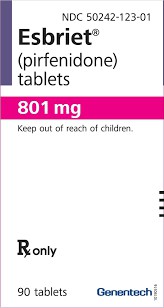
Pirfenidone is designed to be taken by mouth, usually in three divided doses daily. Its oral administration improves patient compliance and facilitates long-term treatment management at home. According to global treatment experience, the drug has stable efficacy when used continuously for more than 6 months, especially for patients with early diagnosis and timely intervention. However, as a systemic drug, pirfenidone is also associated with some typical adverse reactions. The most common side effects include gastrointestinal symptoms (eg, nausea, diarrhea, anorexia), skin photosensitivity, fatigue, and elevated transaminases. Although most of these reactions are mild to moderate, they may affect the patient's medication compliance during continued treatment. Therefore, clinicians usually recommend combining lifestyle adjustments, such as dietary rules, sun protection measures, and regular liver function monitoring, to minimize the impact of side effects.
It is worth mentioning that most of the side effects of pirfenidone are dose-related. If the dose is gradually increased during treatment, it can help the body gradually adapt and improve tolerance. When some patients experience mild discomfort in the early stages of treatment, they can often continue to take the medication without stopping it through short-term dose reduction or symptomatic support. For patients who interrupt treatment due to side effects, reintroduction of the drug can still be attempted if symptoms subside.
Reference materials:https://www.esbriet.com/
[ 免责声明 ] 本页面内容来自公开渠道(如FDA官网、Drugs官网、原研药厂官网等),仅供持有医疗专业资质的人员用于医学药学研究参考,不构成任何治疗建议或药品推荐。所涉药品可能未在中国大陆获批上市,不适用于中国境内销售和使用。如需治疗,请咨询正规医疗机构。本站不提供药品销售或代购服务。


