
.jpeg)
What specific components do maintenance regimens for ixazomib usually include?
Ixazomib plays an increasingly important role in the maintenance treatment of multiple myeloma, especially for patients after completing induction chemotherapy or autologous hematopoietic stem cell transplantation. Its trade name "Enleri" has been approved by the China National Medical Products Administration and included in the Class B medical insurance catalog, providing pharmaceutical and financial support for patients' long-term control. The core purpose of maintenance therapy is to suppress residual microscopic lesions in the bone marrow, delay recurrence, and improve overall survival rate. In the standard maintenance program, the recommended dose is every 28 days as a cycle, with 4 mg of ixazomib capsules taken orally once on the 1st, 8th, and 15th days, and taken three times in a row and then rested for one week, forming a relatively regular medication rhythm. This administration mode is called "intermittent dose delivery", which can maintain the tumor suppressor concentration of the drug in the body to the maximum extent while reducing the accumulation of adverse reactions such as neurotoxicity and gastrointestinal reactions.
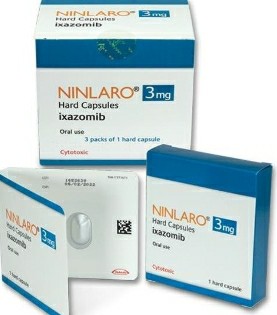
Ixazomib can be used as a single agent or in combination with lenalidomide and dexamethasone (IRd regimen). This regimen is widely adopted overseas and written into international treatment guidelines such as NCCN. Its combined mechanism interferes with the growth and survival of myeloma cells through multiple pathways, synergistically enhancing the tumor suppressive effect. In clinical practice, based on the patient's age, underlying diseases, drug tolerance and other factors, doctors may individually adjust the initial dose to 3 mg or 2.5 mg to better adapt to the patient's actual situation. The duration of maintenance treatment is usually 12 to 24 months, and some patients can even be maintained for longer, but only if the disease is stable and no significant toxic reactions occur.
In addition, long-term maintenance treatment must be based on regular medical follow-up. It is generally recommended to conduct laboratory evaluation every 1-2 cycles, including blood routine, biochemical indicators, M protein concentration, electrophoresis and immunofixation electrophoresis examination, etc. Some patients also need imaging to assist in judging changes in lesions.
Reference materials:https://www.ninlaro.com/
[ 免责声明 ] 本页面内容来自公开渠道(如FDA官网、Drugs官网、原研药厂官网等),仅供持有医疗专业资质的人员用于医学药学研究参考,不构成任何治疗建议或药品推荐。所涉药品可能未在中国大陆获批上市,不适用于中国境内销售和使用。如需治疗,请咨询正规医疗机构。本站不提供药品销售或代购服务。


