
.jpeg)
Analysis of Rubicatin/Rubitinine Treatment Course
Lurbinectedin is an anti-cancer drug targeting a variety of refractory tumors, especially in the second-line treatment of small cell lung cancer (SCLC). The treatment course setting follows the cyclical principle of chemotherapy drugs, with 21 days as a standard cycle. The treatment frequency is relatively regular, which makes it easier for doctors to formulate individual treatment courses. Patients receive intravenous infusion therapy every three weeks, with a dose of 3.2 mg/m² based on body surface area, usually completed within 60 minutes. This intermittent treatment course not only improves the tolerance of treatment, but also gives the body a certain period of time to repair normal cells, thereby reducing the accumulation of adverse reactions such as bone marrow suppression.
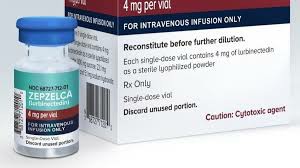
The complete treatment course usually depends on the development of the patient's condition, and there is no strict endpoint setting for the course of treatment. For patients with a good response, treatment cycles can be continued until disease progression or unacceptable toxicity. According to overseas practical experience, some patients can achieve significant tumor response after receiving 4 to 6 cycles, while some patients who are highly sensitive to treatment may continue to receive more than 8 cycles. During the course of treatment, imaging evaluation and hematological index monitoring need to be carried out regularly to determine whether the therapeutic effect is stable and whether side effects are getting worse. If a toxic reaction of grade 3 or above occurs, it may be necessary to suspend one cycle or reduce the dose before continuing.
During the treatment process, doctors will flexibly adjust the course of treatment based on the patient's physical status (ECOG score), organ function, previous chemotherapy history and other factors to ensure a balance between drug efficacy and tolerance. In addition, rubitinis different from some continuous infusion chemotherapy drugs. Its once-every-three-week setting allows patients to take a break between cycles, improving overall treatment compliance and quality of life. Clinicians may also set a "consolidation course" or "maintenance course" based on patient response, which means that even if the main tumor burden has been relieved, medication may continue to suppress latent lesions.
Reference materials:https://www.zepzelca.com/
[ 免责声明 ] 本页面内容来自公开渠道(如FDA官网、Drugs官网、原研药厂官网等),仅供持有医疗专业资质的人员用于医学药学研究参考,不构成任何治疗建议或药品推荐。所涉药品可能未在中国大陆获批上市,不适用于中国境内销售和使用。如需治疗,请咨询正规医疗机构。本站不提供药品销售或代购服务。


