
.jpeg)
Pirfenidone contraindication groups and medication risk tips
Pirfenidone is one of the commonly used drugs for the treatment of idiopathic pulmonary fibrosis (IPF). Although it is widely used in clinical practice, it is not suitable for all patients. Before using medication, doctors need to conduct a comprehensive assessment of the patient to identify potential contraindications and medication risks to ensure the safety and effectiveness of the treatment. First, patients with a known allergic reaction to pirfenidone or its excipients should absolutely avoid using this drug. In addition, patients with moderate to severe liver damage or persistent abnormal elevation of liver enzymes (ALT, AST) are also prohibited or used with caution. This is because pirfenidone is metabolized in the liver, and abnormal liver function will significantly increase the risk of drug accumulation and toxic reactions.
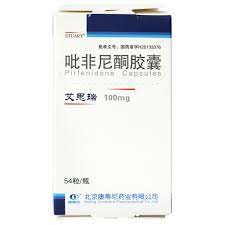
Renal insufficiency, especially in patients with severe chronic kidney disease, may also increase the incidence of systemic adverse reactions due to reduced drug clearance. Elderly patients, those with multiple underlying medical conditions, or those taking multiple medications require close monitoring while taking the drug, especially during the first few weeks of treatment. Pirfenidone may cause side effects such as abnormal liver function, photosensitivity reactions, rash, fatigue, anorexia, etc. If no timely intervention is performed, the patient may discontinue the drug.
At the same time, when pirfenidone is combined with someCYP1A2 inhibitors such as fluvoxamine or certain antibacterial drugs, its plasma concentration will be significantly increased, so combined use should be avoided or the dosage should be adjusted as much as possible. Long-term medication also requires adequate sun protection measures, as photosensitivity reactions are relatively common in clinical practice. For women planning pregnancy or lactating women, there is currently insufficient data to support its safety. Therefore, this group of people should avoid use or carefully assess the risks under professional guidance.
In summary, although pirfenidone brings new hope for the treatment of pulmonary fibrosis, its clinical value must be achieved only by strictly abiding by medication specifications, fully identifying contraindications and high-risk groups, and ensuring that the entire treatment process is safe and controllable.
Reference materials:https://www.esbriet.com/
[ 免责声明 ] 本页面内容来自公开渠道(如FDA官网、Drugs官网、原研药厂官网等),仅供持有医疗专业资质的人员用于医学药学研究参考,不构成任何治疗建议或药品推荐。所涉药品可能未在中国大陆获批上市,不适用于中国境内销售和使用。如需治疗,请咨询正规医疗机构。本站不提供药品销售或代购服务。


