
.jpeg)
Comparison of efficacy and analysis of advantages and disadvantages of tofacitinib and baricitinib (baricitinib)
In recent years, with the widespread use of JAK inhibitors in the treatment of immune diseases, tofacitinib (Tofacitinib) and baricitinib (Baricitinib, also known as baricitinib in Chinese), as representatives of this class of drugs, have attracted great attention from clinicians and patients. Both are approved for the treatment of autoimmune diseases such as rheumatoid arthritis (RA) and have shown promising efficacy in a variety of indications. However, due to their slightly different mechanisms of action, pharmacokinetics, efficacy performance, and adverse reaction spectrum, patients often have doubts when choosing. This article will conduct an in-depth analysis of tofacitinib and baricitinib from four aspects: pharmacological mechanism, efficacy comparison, safety analysis and clinical use recommendations.
1. Comparison of pharmacological mechanisms:JAKThe different inhibitory spectra determine the action characteristics
Tofacitinib is the first oral JAK inhibitor approved for marketing. It mainly acts on JAK1 and JAK3, and also has certain inhibitory activity on JAK2. It blocks the cytokine signaling pathway and inhibits the immune inflammatory response, thereby alleviating the symptoms of diseases such as rheumatoid arthritis.
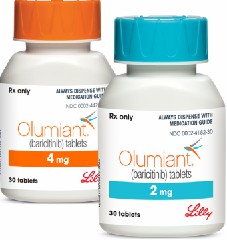
Baricitinib is a more selective JAK1 and JAK2 inhibitor. JAK2 is closely related to blood system functions such as erythropoiesis and granulocyte production. Inhibiting JAK2 may have a stronger impact on systemic immune cells and inflammatory mediators. , therefore baricitinib is slightly stronger than tofacitinib in terms of anti-inflammatory effect, especially in some RA patients who have poor response to TNF-α inhibitors.
This difference in mechanism also means that the two have different types and severity of side effects. Tofacitinib has a more prominent impact on T cell activity, which may lead to a higher risk of viral infection; while baricitinib requires more attention to its impact on the hematopoietic system.
2. Comparison of clinical efficacy: similar but each has its own emphasis
In the treatment of rheumatoid arthritis, both tofacitinib and baricitinib have been approved by international authoritative guidelines such asEULAR and ACR
According to key clinical trial data:
Tofacitinib: In the ORAL series of studies, it was shown that taking 5mg BIDcan significantly improve the ACR20 and ACR50 response rates of RA patients. It takes effect quickly in the early stage and can relieve symptoms in about 2-4 weeks. Tofacitinib has also been used in diseases such as ulcerative colitis and psoriatic arthritis and has shown good efficacy.
Baricitinib: In studies such as RA-BEACON and RA-BUILD, it has also shown good response rates, especially in patients with a history of TNFi treatment failure. It has shown better structural protection effects. In addition, baricitinib has also been used urgently in the treatment of severe COVID-19 due to its anti-viral inflammatory effect, further confirming its multi-target regulatory ability.
Overall, the response rates of the two are similar, but baricitinib is slightly better in structural progression control and pain relief, while tofacitinib has greater clinical flexibility in covering multiple disease indications.
3. Safety analysis: Each has its own emphasis, and risks require individual assessment.
Although both drugs are oral small molecule targeted drugs, which have advantages over traditional DMARDs such as rapid onset of action and no need for injections, safety issues also require close attention.
1.Main adverse reactions of tofacitinib:
Higher risk of infections, such as shingles, pneumonia, respiratory infections;
Elevated blood lipids and mild fluctuations in liver enzymes;
Long-term use may increase the risk of pulmonary embolism and cardiovascular events (especially in the elderly or those with underlying diseases).
2.The safety risks of baricitinib include:
Leukopenia and platelet count require regular monitoring of blood pictures;
The risk of venous thrombotic events is increased and has been warned byFDA;
High cholesterol and elevated creatine kinase have a certain impact on the metabolic system;
Mild abnormalities in liver function and infection may also occur, but the incidence of herpes zoster is slightly lower than that of tofacitinib.
Therefore, before using this type of drug, doctors usually choose the most appropriate type of drug based on factors such as the patient's age, whether he smokes, whether he has a history of cardiovascular disease, or low immune function.
4. Actual medication experience and market differences
In terms of ease of use, the recommended dose of tofacitinib is 2 times a day (5mg BID), while baricitinib is usually 1 times a day (4mg QD), the latter has slightly better medication compliance. And in terms of price:
Domestic generic drugs of tofacitinib are already on the market. The price is relatively more affordable and has been included in medical insurance. The average monthly burden for patients is between a few hundred to one thousand yuan;
Although baricitinib is also included in medical insurance, Indian generic drugs have a more price advantage. For example, the Bangladeshi version only costs about 200 yuan per box, and is favored by some economical patients.
According to clinical feedback at home and abroad, tofacitinib is more widely used due to its multiple indications, but baricitinib has received additional attention in the treatment of COVID-19, which has greatly improved its clinical acceptance.
Tofacitinib and baricitinib, as representatives of the JAK inhibitor camp, have achieved convincing efficacy in the treatment of autoimmune diseases such as rheumatoid arthritis. Tofacitinib is suitable for a wider range of indications, suitable for those who have poor response to multiple treatments, and is affordable; while baricitinib has slight advantages in anti-inflammatory potency, speed of onset, and relief of certain disease processes, but it is necessary to be wary of blood system-related adverse reactions.
The final medication selection should be comprehensively evaluated by a rheumatologist based on the patient's condition severity, age, comorbidities, infection risk, and medical insurance coverage. For most patients, standard medication use, regular review, and maintaining communication with doctors are the keys to ensuring the safety and efficacy of treatment.
Reference materials:https://www.drugs.com/
[ 免责声明 ] 本页面内容来自公开渠道(如FDA官网、Drugs官网、原研药厂官网等),仅供持有医疗专业资质的人员用于医学药学研究参考,不构成任何治疗建议或药品推荐。所涉药品可能未在中国大陆获批上市,不适用于中国境内销售和使用。如需治疗,请咨询正规医疗机构。本站不提供药品销售或代购服务。


