
.jpeg)
The therapeutic effect of Anamorelin hydrochloride and its clinical evaluation
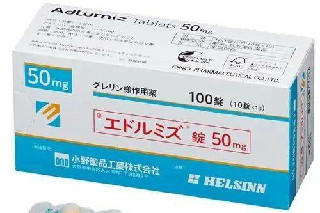
In recent years, cancer cachexia (cancer cachexia) has attracted more and more attention from the clinical and scientific research communities. This is a multifactorial metabolic syndrome caused by tumor activity or treatment. It is characterized by weight loss, muscle loss, loss of appetite and general fatigue, which seriously affects the patient's quality of life and treatment tolerance. Traditional nutritional support, exercise intervention or steroid treatment have limited effects. Anamorelin hydrochloride (Anamorelin hydrochloride), as an oral small molecule drug, has shown promising results in improving cancer cachexia due to its unique mechanism of action and good tolerability.
This article will comprehensively analyze the therapeutic effects and usage prospects of anamulin from multiple perspectives including drug mechanism, indications, clinical efficacy, safety, and domestic and foreign research evaluations.
1. Drug mechanism: simulates ghrelin, improves appetite and muscle metabolism
Anamulin is a selective ghrelin (Ghrelin) receptor agonist. By simulating the effect of natural ghrelin, it activates the hypothalamic feeding center and increases appetite. At the same time, it can also stimulate the secretion of growth hormone (GH) and insulin-like growth factor -1 (IGF-1), thereby promoting muscle synthesis and protein metabolism, achieving the purpose of delaying muscle loss and improving physical strength.
Compared with traditional steroids or orexigenic antidepressants, anamorelin does not rely on hormone replacement mechanisms and is more in line with the metabolic abnormalities of tumor patients, so it is considered a safer and more precise intervention method.
2. Scope of indications: Focus on cancer cachexia and fill the treatment gap
Anamorelin is mainly suitable for the treatment of cancer cachexia in patients with solid tumors such as advanced non-small cell lung cancer, pancreatic cancer, gastric cancer or colorectal cancer. It is suitable for cancer patients with significant weight loss, loss of appetite or sarcopenia. Especially during multi-line treatment, when the patient's physical strength declines sharply, it can be used as an important means to improve nutrition and quality of life.
It is worth noting that anamorelin is not an anti-cancer drug and does not directly kill cancer cells. Its main role is to assist in improving the physical condition so that patients can better withstand radiotherapy, chemotherapy or targeted drug treatment, and improve the comprehensive treatment effect.
3. Clinical efficacy: Real data support the exact effect
A number of large international clinical studies (such as ROMANA 1 and ROMANA 2) have systematically evaluated the efficacy of anamorelin. These trials covered hundreds of patients with advanced non-small cell lung cancer and cachexia, and the results showed:
After taking anamorelin for 4 to 12 weeks, the patient's weight increased on average by 1.5 to 2.5 kg;
Significant increase in lean body mass (muscle mass) rather than pure fat gain;
Nearly70% of patients reported significant improvement in appetite and increased daily caloric intake;
In terms of comprehensive functional scores, such as grip strength and six-minute walk test, all improved compared with the baseline.
In addition, patients' subjective feelings also improved significantly, including reduced fatigue, improved sleep, and relaxed mood. Clinicians generally report that anamorelin has a positive effect in improving patients' treatment compliance, especially when fatigue from multiple lines of treatment is obvious.
4. Safety and adverse reactions: well tolerated and mild side effects
The most common adverse reactions of anamorelin include hyperglycemia, nausea, mild edema and mild headache, most of which are mild to moderate grade 1~2 and can be relieved without special treatment. The incidence of adverse reactions is much lower than that of traditional steroids, and no obvious renal, liver toxicity or cardiac adverse effects have been observed with long-term use.
It should be noted that due to its growth hormone-promoting properties, it is not recommended for patients with hormone-sensitive tumors such as some breast cancer or prostate cancer. The suitability should be evaluated by a professional doctor before use.
In addition, because it may slightly affect fasting blood sugar levels, people with diabetes or metabolic abnormalities should closely monitor blood sugar changes.
5. Domestic and foreign evaluation and development trends
In Japan, Europe and the United States, anamorelin has been approved for marketing in recent years, becoming the first oral targeted drug in the treatment of cancer cachexia. Especially in Japan, it is widely used in patients with lung cancer, pancreatic cancer and elderly cancer patients. Feedback from its use is good and it has become an important means of nutritional support.
In China, anamorelin has not yet been officially launched, but a number of clinical studies are underway, and some cross-border medical platforms can also help patients obtain the drug. It is understood that the price for domestic patients to obtain anamorelin from overseas channels ranges from several thousand yuan per box. The treatment course usually starts at one month, and the overall cost is relatively reasonable.
Judging from future development trends, the indications of anamulin may be extended to areas such as loss of appetite caused by radiotherapy, sarcopenia in the elderly, and weight loss caused by chronic diseases. Its market potential is widely optimistic.
Overall, Anamorelin Hydrochloride is an innovative oral drug for cancer cachexia. It has clear efficacy in improving appetite, increasing body weight, and increasing muscle mass. It is also well tolerated and safe. Its emergence provides a new direction for the treatment of cachexia, especially for patients with severe weight loss and fatigue caused by tumor progression or long-term treatment.
Under the guidance of professional doctors, the rational use of anamorelin can not only improve nutritional status, but also help patients better complete anti-tumor treatment and improve their quality of life. It is a key part of future supportive tumor treatment. With its gradual introduction and clinical promotion in China, it is believed that it will benefit more patients.
Reference materials:https://www.drugs.com/
[ 免责声明 ] 本页面内容来自公开渠道(如FDA官网、Drugs官网、原研药厂官网等),仅供持有医疗专业资质的人员用于医学药学研究参考,不构成任何治疗建议或药品推荐。所涉药品可能未在中国大陆获批上市,不适用于中国境内销售和使用。如需治疗,请咨询正规医疗机构。本站不提供药品销售或代购服务。


