
.jpeg)
Basic information and main therapeutic effects of Anamorelin
In recent years, with the in-depth research on cancer-associated cachexia (Cancer-Associated Cachexia), anamorelin (Anamorelin), as a new oral therapeutic drug, has gradually attracted attention in the field of global tumor supportive treatment. With its unique mechanism and significant effect on improving patients' nutritional status and weight, this drug brings new treatment options to patients with advanced cancer. This article will introduce in detail the basic information, mechanism of action, indications and main therapeutic effects of anamulin.
1. Basic information about Anamorelin
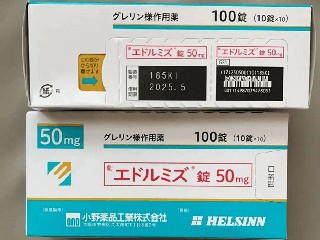
Anamorelin (English name: Anamorelin, trade name: Adlumiz) is an oral small molecule drug produced by Astellas Pharma of Japan (Astellas Pharma) and Kyowa Hakko Kirin Corporation of Japan (Kirin Holdings) and is specially designed for patients with cancer cachexia. It is a selective ghrelin receptor agonist that mimics the effects of ghrelin, thereby stimulating appetite, promoting weight gain, and improving muscle mass.
The drug was originally approved in Japan for the treatment of cachexia caused by non-small cell lung cancer (NSCLC) and is one of the first drugs in the world to be approved for the treatment of cancer-related cachexia. Although it has not been widely marketed in Europe and the United States, it is widely used clinically in many Asian countries or regions, especially in Japan.
2. The mechanism of action of Anamorelin
Anamulin works primarily by simulating the mechanism of action of ghrelin. Ghrelin is a polypeptide hormone secreted by the stomach. It can activate the GHS-R1a receptor in the hypothalamus, promote appetite, increase growth hormone secretion, and participate in the regulation of fat and muscle metabolism to a certain extent.
After oral administration, anamorelin can produce the following physiological effects by selectively activating theGHS-R1a receptor:
Enhance appetite: increase the patient's food intake and improve the condition of loss of appetite;
Promote weight gain: mainly by increasing**lean body mass (muscle content)** rather than fat storage;
IncreaseIGF-1 levels: stimulate the pituitary gland to secrete growth hormone (GH), thereby increasing insulin-like growth factor1 (IGF-1), promotes protein synthesis;
Improve overall nutritional status: Enhance metabolic function and energy utilization, helping to improve patients' physical fitness and quality of life.
3. Indications and users
Anamorelin's primary indication is for cancer-related cachexia, particularly in patients with advanced solid tumors. Cachexia is a severe multifactorial syndrome that typically manifests as progressive weight loss, muscle wasting, loss of physical strength, and functional decline that cannot be reversed by nutritional support. It is especially common in patients with malignant tumors such as non-small cell lung cancer, gastric cancer, and pancreatic cancer.
Based on clinical trials and guidelines, the following groups may be candidates for anamorelin:
Patients with non-small cell lung cancer (NSCLC) combined with cachexia;
Patients with advanced tumors such as pancreatic cancer, colorectal cancer, and esophageal cancer experience significant weight loss;
Patients with poor enteral or intravenous nutrition support, persistent muscle loss and loss of appetite;
Patients who wish to improve their quality of life, increase their mobility, and delay the decline of their physical functions.
It is worth noting that anamorelin is not used for patients with simple anorexia or malnutrition, and must be used after a doctor assesses the condition as "cachexia".
4. Main therapeutic effects
Anamorelin has shown good efficacy and tolerability in multiple international multi-center clinical trials. The following is a summary of its main efficacy:
1. Promote appetite and increase food intake
In Phase II and Phase III clinical studies, patients taking anamorelin showed significant improvements in appetite starting at 1 week. Studies have shown that anamorelin can increase patients' food intake by an average of 500~800kcal/ days, helping to relieve anorexia symptoms caused by tumors.
2. Increase weight, mainly improve lean body mass (muscle mass)
Unlike other stimulants that simply increase fat storage, a significant advantage of Anamorelin is that it improves muscle mass. Data show that patients taking anamorelin for 12 weeks can gain weight on average2~3kg, and is mainly composed of lean body mass, which is very critical to maintaining body function and improving quality of life.
3. Improve athletic ability and physical strength
Anamulin indirectly improves the patient's physical endurance and activity ability, and helps improve the physical decline caused by cachexia. In the study, patients' performance in the 6 minute walk test (6MWT) improved to a certain extent, indicating that it plays a positive role in rehabilitation and maintaining functional status.
4. Improve quality of life and mental state
Long-term loss of appetite and malnutrition can seriously affect the patient's mental state and quality of life. After taking anamorelin, not only appetite and weight were improved, but patients also had varying degrees of positive feedback in aspects such as mood, social interaction, and self-image, which helped patients better cope with long-term anti-cancer treatment.
5. Adverse reactions and precautions
Anamorelin is generally well tolerated, and common adverse reactions include:
Mild hyperglycemia: Because it promotes the secretion of GH and IGF-1, it can sometimes cause blood sugar to rise, and diabetic patients need to monitor;
Mild nausea, bloating, or gastrointestinal discomfort;
Occasionally, dizziness, fatigue, or rash may occur.
Not recommended for use during pregnancy or in patients with severe liver and kidney dysfunction. During use, blood glucose and metabolic indicators should be tested regularly to evaluate the overall efficacy.
Anamorelin, an innovative ghrelin receptor agonist, has shown significant efficacy in the treatment of cancer-related cachexia. It can not only increase appetite and improve nutritional status, but more importantly, increase lean body mass and physical fitness, and improve patients' quality of life and treatment tolerance. Although it is not yet widely available in China, its successful experience in Japan and many other countries provides important reference for global tumor supportive care. In the future, anamorelin is expected to become one of the standard treatments for cachexia management, bringing practical help to more cancer patients.
Reference materials:https://www.drugs.com/
[ 免责声明 ] 本页面内容来自公开渠道(如FDA官网、Drugs官网、原研药厂官网等),仅供持有医疗专业资质的人员用于医学药学研究参考,不构成任何治疗建议或药品推荐。所涉药品可能未在中国大陆获批上市,不适用于中国境内销售和使用。如需治疗,请咨询正规医疗机构。本站不提供药品销售或代购服务。


