
.jpeg)
How long does resistance to Dasatinib generally last?
Dasatinib is aBCR-ABLtyrosine kinase inhibitor (TKI), mainly used to treat chronic Myeloid leukemia (CML) and Phpositive acute lymphoblastic leukemia (Ph+ ALL). The occurrence of drug resistance is usually related to BCR-ABL gene mutations, especially the T315I mutation, which will cause the drug to be unable to bind to the target protein normally, thus reducing the therapeutic effect. In addition, overexpression of drug efflux pumps, BCR-ABL amplification, and cross-activation of signaling pathways may also be involved in the formation of drug resistance. Drug resistance usually does not occur instantaneously, but develops gradually as treatment time increases.
Most patients may develop varying degrees of drug resistance within 12 to 24 months after starting dasatinib treatment, but the specific time varies from person to person. Some patients develop resistance within the first few months of treatment, while some continue to benefit even after years of use. The emergence of drug resistance is often related to poor drug compliance, the development of genetic mutations, or the combination of other diseases. Once efficacy declines, doctors often recommend genetic mutation testing to determine whether a specific mutation (such as T315I) is present and to adjust subsequent treatment strategies.
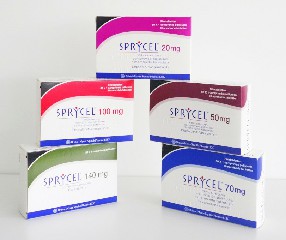
Once drug resistance occurs, patients may show abnormal blood routine, splenomegaly, BCR-ABL fusion gene expression level increase, or disease progression (such as from chronic phase to accelerated phase or blast phase). Some patients still have a short-term stable period after developing drug resistance, but most need to be replaced with other second- or third-generation TKIs (such as nilotinib, bosutinib, or ponatinib) within a few months, otherwise the condition may continue to worsen. Therefore, the duration of drug resistance is generally short, and intervention should be carried out as early as possible.
For patients who are resistant to dasatinib, subsequent treatment needs to select appropriate targeted drugs based on the specific mutation type. For example, the T315I mutation is resistant to most TKI but is sensitive to ponatinib (Ponatinib). Some patients may even consider hematopoietic stem cell transplantation. If effective drugs are identified and replaced in time, some patients can still maintain a good treatment response. In general, after the development of resistance to dasatinib, the disease may progress within weeks to months, so early monitoring of BCR-ABL gene expression and mutation screening is key and can buy valuable time for subsequent treatment.
Reference materials:https://www.drugs.com/
[ 免责声明 ] 本页面内容来自公开渠道(如FDA官网、Drugs官网、原研药厂官网等),仅供持有医疗专业资质的人员用于医学药学研究参考,不构成任何治疗建议或药品推荐。所涉药品可能未在中国大陆获批上市,不适用于中国境内销售和使用。如需治疗,请咨询正规医疗机构。本站不提供药品销售或代购服务。


