
.jpeg)
Evaluating the therapeutic efficacy of sirolimus topical gel 0.2%
Sirolimus Topical Gel 0.2% (Sirolimus Topical Gel), as an innovative topical drug, is specially designed for the treatment of facial angiofibromas caused by tuberous sclerosis complex (TSC) in children and adults aged 6 years and above. Tuberous sclerosis is a rare autosomal dominant disease that affects multiple organ systems, including the skin, with facial angiofibromas being one of its most prominent cutaneous manifestations. Although these benign tumors are usually harmless, they can cause cosmetic distress and psychological stress to patients. The emergence of sirolimus topical gel provides a new and effective treatment option for these patients.
Sirolimus, as the main active ingredient of the gel, is a mammalian target of rapamycin (mTOR) inhibitor. By blocking the signaling pathways of pathogenic targets, it effectively inhibits the growth of angiofibroma and reduces redness, swelling and pain in the diseased area, thereby improving the patient's appearance and quality of life. Clinical trial data show that sirolimus topical gel demonstrated significant efficacy in the treatment of facial angiofibromas. In a post-marketing surveillance study on Japanese patients, after 52 weeks of treatment with 0.2% sirolimus gel, the overall improvement rate was as high as 74.8%, and the response rate for facial angiofibroma reached 86.2%. This result not only confirms the effectiveness of sirolimus topical gel, but also provides strong support for its widespread clinical application.
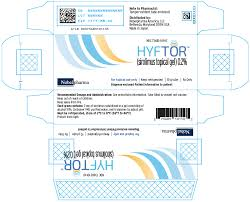
In addition to its remarkable efficacy, sirolimus topical gel has a good safety profile. Although some patients may experience local irritation, dermatitis and other adverse reactions during use, overall, the incidence of these adverse reactions is relatively low, and most symptoms are mild and do not affect the patient's continued use. In addition, the topical application of sirolimus topical gel effectively reduces the risk of systemic side effects, allowing patients to receive treatment in a safer environment.
It is worth mentioning that sirolimus topical gel is also relatively easy to use. Patients only need to gently apply the gel to the affected skin twice daily, in the morning and before going to bed. This method of administration not only facilitates patient self-operation, but also improves the compliance and convenience of treatment. At the same time, sirolimus topical gel has a relatively wide scope of application. It can not only be used to treat facial angiofibromas related to tuberous sclerosis, but also can be used to treat other skin lesions, such as superficial microcystic lymphatic malformations, venous malformations, psoriasis, etc., further expanding its clinical application prospects.
However, despite the remarkable success of sirolimus topical gel in the treatment of facial angiofibromas, it is important to note that not all patients are candidates for this drug. Pregnant women, lactating women and patients with a history of severe allergies should use it with caution under the guidance of a doctor. In addition, patients should pay close attention to changes in their condition during use. If they experience any discomfort or worsening of symptoms, they should seek medical treatment immediately and inform the doctor that they are using sirolimus topical gel.
In summary,0.2% sirolimus topical gel, as a new and effective topical drug, provides a new treatment option for patients with facial angiofibromas related to tuberous sclerosis. Its remarkable efficacy, good safety and simple use make this drug have broad clinical application prospects.
Reference materials:https://www.drugs.com/hyftor.html
[ 免责声明 ] 本页面内容来自公开渠道(如FDA官网、Drugs官网、原研药厂官网等),仅供持有医疗专业资质的人员用于医学药学研究参考,不构成任何治疗建议或药品推荐。所涉药品可能未在中国大陆获批上市,不适用于中国境内销售和使用。如需治疗,请咨询正规医疗机构。本站不提供药品销售或代购服务。


