
.jpeg)
What are the precautions for Risankizumab?
In the treatment of psoriasis and psoriatic arthritis (P In clinical studies of A), ulcerative colitis, and Crohn's disease (CD), warnings and precautions such as allergic reactions, infections, tuberculosis, hepatotoxicity in the treatment of inflammatory bowel disease, and vaccine administration have emerged. Discontinue and resume at reduced dose upon recovery, or permanently discontinue based on severity.
1. Anaphylaxis: It has been reported that serious allergic reactions, including anaphylaxis, may occur when using risancizumab. If a serious allergic reaction occurs, immediately discontinue lisantrolizumab and initiate appropriate treatment.
2. Infection: Treatment with risantekizumab should not be initiated in patients with any clinically important active infection until the infection has resolved or been adequately treated. For patients with chronic infections or a history of recurring infections, consider the risks and benefits before starting. Instruct patients to seek medical advice if clinically important signs or symptoms of infection occur. If a patient develops such an infection or does not respond to standard treatment, monitor the patient closely and do not use risancizumab until the infection has resolved.
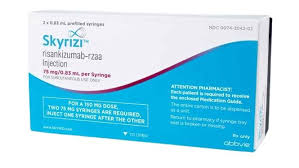
3. Tuberculosis: Before starting treatment with risancizumab, evaluate the patient's tuberculosis infection and consider anti-tuberculosis treatment. Monitor patients for signs and symptoms of active tuberculosis during and after treatment. Do not give lisantrolizumab to patients with active pulmonary tuberculosis.
4. Hepatotoxicity in the treatment of inflammatory bowel disease: For the treatment of Crohn's disease and ulcerative colitis, assess liver enzymes and bilirubin at baseline and during treatment induction for at least 12 weeks. Monitor thereafter according to routine patient management. For patients with evidence of cirrhosis, consider other treatment options. Immediate investigation of the cause of elevated liver enzymes is recommended to identify potential cases of drug-induced liver injury. If drug-induced liver injury is suspected, treatment should be interrupted until this diagnosis is ruled out. If the patient develops symptoms of abnormal liver function, instruct the patient to seek medical attention immediately.
5. Vaccine Administration: Avoid the use of live vaccines in patients receiving lisantezumab. Drugs that interact with the immune system may increase the risk of infection after receiving live vaccines. Prior to treatment, complete all age-appropriate vaccinations according to current immunization guidelines. There are no data on responses to live or inactivated vaccines.
Reference materials:https://go.drugbank.com/drugs/DB14762
[ 免责声明 ] 本页面内容来自公开渠道(如FDA官网、Drugs官网、原研药厂官网等),仅供持有医疗专业资质的人员用于医学药学研究参考,不构成任何治疗建议或药品推荐。所涉药品可能未在中国大陆获批上市,不适用于中国境内销售和使用。如需治疗,请咨询正规医疗机构。本站不提供药品销售或代购服务。


