
.jpeg)
What are the adverse reactions of Risankizumab?
Risankizumab/Risankizumab (Risankizumab) may cause a variety of adverse reactions during clinical application. Common adverse reactions in its studies in the treatment of psoriasis, psoriatic arthritis (PA), ulcerative colitis, and Crohn's disease (CD) included upper respiratory tract infection and injection site reactions. Upper respiratory tract infections typically present as symptoms of infection in the nose and throat, while injection site reactions may cause localized redness, pain, and other discomfort.
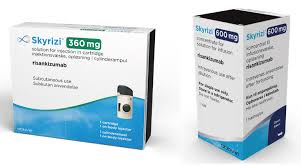
In addition to these common adverse reactions, patients should also be aware of other potential risks when using risantekizumab. For example, allergic reactions are an important side effect that may cause rash, itching, difficulty breathing, etc., so patients need to be closely observed for their allergic history. Additionally, the risk of infection, especially tuberculosis (TB), is increased during treatment. Therefore, before initiating treatment, the patient must be assessed for the presence of tuberculosis infection and appropriate precautions taken.
Risenkizumab may also be associated with hepatotoxicity in certain circumstances. Especially when treating inflammatory bowel disease, patients' liver function indicators need to be monitored regularly to ensure there is no risk of liver damage. In addition, vaccination is also a matter that needs attention. Patients should ensure that they have completed all age-appropriate vaccinations before receiving risancizumab treatment to reduce the chance of infection.
Overall, although risantekizumab has shown good efficacy in the treatment of a variety of immune-mediated diseases, it is still necessary to be alert to the above-mentioned adverse reactions and potential risks during use. During treatment, it is recommended that patients maintain close communication with their doctors in order to detect and deal with possible side effects in a timely manner to ensure the safety and effectiveness of treatment. Implementing regular monitoring and evaluation is critical for early detection of adverse effects and their management.
Reference materials:https://go.drugbank.com/drugs/DB14762
[ 免责声明 ] 本页面内容来自公开渠道(如FDA官网、Drugs官网、原研药厂官网等),仅供持有医疗专业资质的人员用于医学药学研究参考,不构成任何治疗建议或药品推荐。所涉药品可能未在中国大陆获批上市,不适用于中国境内销售和使用。如需治疗,请咨询正规医疗机构。本站不提供药品销售或代购服务。


