
.jpeg)
What are the precautions for Glecaprevir/pibrentasvir tablets?
In clinical studies of Glecaprevir/pibrentasvir tablets (Glecaprevir/pibrentasvir) in the treatment of hepatitis C virus (HCV), its efficacy has been impressive. However, there are some warnings and precautions that need to be paid attention to during treatment to ensure patient safety and maximize efficacy.
1. Risk of hepatitis B virus reactivation in patients co-infected with hepatitis C virus and HBV virus
Cases of HBV reactivation have been reported in patients who are receiving or have completed HCV antiviral therapy, and these cases may lead to serious consequences such as fulminant hepatitis, liver failure, and even death. This situation occurs not only in HBsAg-positive patients but also in patients with serological evidence of resolution of HBV infection. Therefore, before initiating Maviret for HCV treatment, all patients must be screened for HBV infection, including measurement of HBsAg and anti-HBc levels. For patients with known HBV infection, symptoms and laboratory indicators of hepatitis outbreaks or HBV reactivation need to be regularly monitored during and after treatment, and HBV infection should be appropriately managed according to the specific situation.
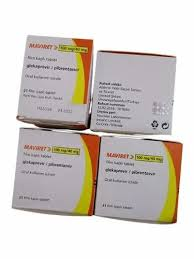
2. Risk of liver decompensation/failure in patients with advanced liver disease
Some post-marketing case reports indicate that drugs including Maviret may cause hepatic decompensation in patients receiving treatment regimens containingHCV NS3/4A protease inhibitors. Such events mostly occur in patients with moderate or severe hepatic impairment (Child-Pugh class B or C). Some patients have a history of decompensation before taking Maviret, such as ascites, variceal bleeding, or hepatic encephalopathy. In addition, rare cases of ongoing hepatic decompensation have been documented even in patients without cirrhosis or with mild hepatic impairment (Child-Pugh A). To reduce risk, regular liver function monitoring is recommended during treatment and observation for symptoms of decompensation such as jaundice, ascites, hepatic encephalopathy, and variceal bleeding. If signs of hepatic decompensation occur, Maviret should be discontinued immediately.
Of note,Maviret is contraindicated in patients with moderate to severe hepatic impairment (Child-Pugh class B or C) or a history of hepatic decompensation. Safety in this patient subgroup has not been fully established, making its avoidance particularly important.
3. Risk of reduced efficacy due to concurrent use of MAVYRET with carbamazepine, efavirenz-containing regimens, or St. John's wort
Carbamazepine, efavirenz, and St. John's wort may significantly decrease the plasma concentrations of glicavir and pibunavir, resulting in a reduction in the therapeutic efficacy ofMAVYRET. It is not recommended to use these proxies with MAVYRET.
In summary, although glecaprevir and pibrentasvir tablets have shown good efficacy in the treatment of hepatitis C, relevant warnings and precautions must be strictly followed in clinical application to ensure patient safety and optimize treatment effects. Doctors need to comprehensively assess the patient's HBV infection status and liver function when prescribing this drug, and closely monitor possible side effects and drug interactions during treatment.
Reference materials:https://www.mavyret.com/
[ 免责声明 ] 本页面内容来自公开渠道(如FDA官网、Drugs官网、原研药厂官网等),仅供持有医疗专业资质的人员用于医学药学研究参考,不构成任何治疗建议或药品推荐。所涉药品可能未在中国大陆获批上市,不适用于中国境内销售和使用。如需治疗,请咨询正规医疗机构。本站不提供药品销售或代购服务。


