
.jpeg)
What are the possible side effects of using Omalizumab?
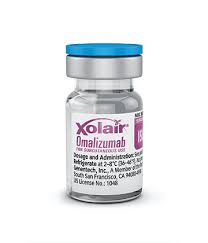
Omalizumab is a humanized monoclonal antibody that mainly binds to immunoglobulin E (IgE), thereby blocking its binding to high-affinity receptors, thereby inhibiting allergic reactions. This medicine is commonly used to treat moderate to severe allergic asthma and chronic spontaneous urticaria. Although its efficacy has been confirmed by a large number of clinical studies, as a biological agent, it may also cause some side effects. Patients need to pay attention to it and communicate with their doctor in time during use.
1. Injection site reactions are the most common
The most common adverse reaction of omalizumab is injection site reaction, which is also the most common problem that most patients encounter in the early stages of treatment. Clinical data shows that about 15% of patients experience local redness, swelling, pain, itching, skin heat, induration or minor bleeding after injection. Such reactions are usually mild to moderate and resolve spontaneously within a few hours to 1-2 days. To reduce these discomforts, it is recommended to apply a cold compress after the injection and avoid scratching the injection area.
It is worth noting that local reactions may be alleviated in some patients after repeated injections, but there are also a few who experience allergic dermatitis or prolonged induration. If the injection site continues to be red and swollen for more than 48 hours, or is accompanied by fever, rash and other symptoms, you should seek medical treatment in time to rule out infection or allergic reaction.
2. Be wary of severe cases of allergic reactions
Although omalizumab itself is a humanized antibody and has low allergenicity, there is still a risk that a small number of patients will experience allergic reactions or anaphylactoid reactions (rheumatoid-like reactions) after injection. In severe cases, anaphylaxis may develop, a potentially life-threatening adverse reaction.
According to FDAadverse reaction notification, among all patients using omalizumab, the incidence of anaphylactic shock is less than 0.1%, but due to its seriousness, sufficient attention is still required. Symptoms may include laryngeal edema, shortness of breath, palpitation, hypotension, confusion, etc., which usually appear within 2 hours after injection, but may also occur delayed (24 hours or even days after injection). Therefore, it is recommended that patients who are initially taking the drug receive injections in the hospital and stay under observation for at least 1-2 hours. If they feel any discomfort, they should be treated promptly.
3. Infection and immune system-related responses
Omalizumab acts on the immune system and may theoretically interfere with the body's normal immune function. Therefore, some patients may report minor symptoms such as upper respiratory tract infection, sinusitis, headache, sore throat, cough, etc. during use. This type of infection reaction is more common in people with low immunity. It is usually a viral infection and can be self-limiting in the short term.
In addition, in rare cases, drug-related eosinophilic syndrome or vasculitis reactions (such as Churg-Strauss syndrome) have been reported. However, because the incidence of such reactions itself is extremely low, and most of the patients are long-term concomitant users of glucocorticoids, the direct relationship between omalizumab and them is not yet clear. If patients develop systemic rash, peripheral nerve abnormalities or severe respiratory symptoms during treatment, they should be alert to the possibility of such immune complications.
4. Nervous system and other less common side effects
Some patients may report mild dizziness, fatigue, insomnia, anxiety and other central nervous system-related discomforts while taking omalizumab. Most of these reactions are mild, often associated with the first injection or initial course of treatment, and usually resolve spontaneously within a few days. If the symptoms persist or affect daily life, it is recommended to seek medical treatment to further investigate whether it is related to the drug.
In addition, a small number of clinical reports have mentioned side effects such as joint pain, muscle soreness, and gastrointestinal discomfort (such as abdominal distension, nausea, constipation, etc.), but most of them show mild fluctuations and do not affect continued medication.
It is worth noting that patients taking long-term medication need to regularly monitor blood routine, liver and kidney function, etc., in order to detect potential abnormal reactions in time.
Overall, omalizumab, as a targeted biological drug with mature clinical application, has a good safety profile and can be tolerated by most patients. Injection site reactions are the most common adverse reactions, with occasional infections and mild neurological reactions. Severe allergic reactions are extremely rare, but should still be taken seriously. It is recommended that patients use this drug in a standardized manner under the guidance of a professional doctor, monitor their physical condition for regular follow-up visits, and report any discomfort in a timely manner, so as to maximize the safety and effectiveness of treatment.
If you are using omalizumab or preparing to start treatment and have any concerns about side effects, you can consult your doctor or professional pharmacist to develop a medication plan that is more suitable for your individual situation.
Reference materials:https://www.drugs.com/
[ 免责声明 ] 本页面内容来自公开渠道(如FDA官网、Drugs官网、原研药厂官网等),仅供持有医疗专业资质的人员用于医学药学研究参考,不构成任何治疗建议或药品推荐。所涉药品可能未在中国大陆获批上市,不适用于中国境内销售和使用。如需治疗,请咨询正规医疗机构。本站不提供药品销售或代购服务。


