
.jpeg)
What is the recommended blood concentration range of Veneclax?
Venetoclax as aBCL-2 targeted inhibitor, plays an important role in the treatment of chronic lymphocytic leukemia (CLL) and acute myeloid leukemia (AML). Since its mechanism relies on maintaining a certain blood concentration to continuously inhibit the survival signals of tumor cells, it is of practical clinical significance to pay attention to its in vivo concentration during treatment. However, there is currently no clear "recommended blood concentration range" for the routine treatment of venetoclax.
According to the available data, at the standard therapeutic dose (daily400mg is the conventional maintenance dose), the steady-state peak plasma concentration (Cmax) of venetoclax after multiple doses is approximately 2.5-3.5 μg/mL, and the average steady-state trough concentration (Cmin) is maintained between 1-2 μg/mL. For AML patients, the recommended initial dose when combined with azacitidine or decitabine is 100 mg daily and gradually increase to 400 mg. Some individuals may need to adjust to 600 mg to achieve the best tumor suppressor effect.
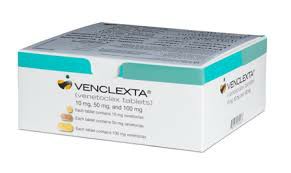
It should be noted that the blood concentration of venetoclax is affected by many factors, especially the combination withCYP3A inhibitors (such as ketoconazole, voriconazole) or P-gp inhibitors (such as verapamil) may significantly increase the blood concentration and increase the risk of toxicity. The dosage needs to be adjusted and monitoring strengthened. Both the FDA and EMA guidelines recommend reducing the dose of venetoclax to 25% or less of the original dose when combined with strong CYP3A4 inhibitors to avoid adverse reactions such as severe neutropenia and hepatotoxicity.
In addition, in the early stages of treatment (especially the dose escalation period), patients should be closely monitored for tumor lysis syndrome (TLS). This complication is related to the surge in metabolites after the drug rapidly kills leukemia cells, and is closely related to blood drug concentration. Therefore, it is recommended to cooperate with dynamic testing of electrolyte indicators such as renal function, uric acid, potassium, calcium, and phosphorus at this stage.
Reference materials:https://www.venclexta.com/
[ 免责声明 ] 本页面内容来自公开渠道(如FDA官网、Drugs官网、原研药厂官网等),仅供持有医疗专业资质的人员用于医学药学研究参考,不构成任何治疗建议或药品推荐。所涉药品可能未在中国大陆获批上市,不适用于中国境内销售和使用。如需治疗,请咨询正规医疗机构。本站不提供药品销售或代购服务。


