
.jpeg)
How long is the treatment cycle of Aceminib/Asnib?
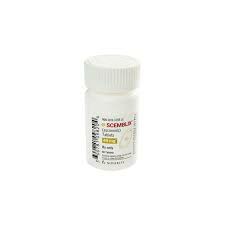
Asciminib is an innovative drug in the treatment of chronic myelogenous leukemia (CML). With its unique mechanism of action and good tolerability, Asciminib brings new hope to many patients who are resistant or unable to tolerate traditional tyrosine kinase inhibitor (TKI) treatment. Regarding the treatment cycle and medication continuity of aceminib, there is no uniform fixed course of treatment in clinical practice, but the principle of individualization and dynamic adjustment is emphasized.
First of all, the treatment cycle of aceminib mainly depends on the patient's clinical response to the drug and the tolerance of adverse reactions. Generally speaking, as long as the patient benefits from treatment, that is, the BCR-ABL1 gene molecular burden continues to decrease, clinical remission is achieved, and there is no serious intolerable toxicity, doctors will recommend continuing to use aceminib. The treatment cycle is usually centered on "continuous observation of clinical benefit", which means that treatment should continue as long as the drug can control the disease and the patient can tolerate it.
In the early stages of treatment, doctors usually closely monitor the patient's molecular biological indicators, especiallyBCR-ABL1 transcript levels, and evaluate changes in the condition through regular PCR testing. Changes in this indicator can reflect the efficacy earlier and help doctors determine whether the treatment plan needs to be adjusted. If the patient achieves deep molecular remission (such as MR4.5 or deeper), the treatment effect is extremely ideal. At this time, whether the dose can be reduced or discontinued becomes the focus of clinical attention.
However, research data on discontinuation are still in the developmental stage. Some clinical trials and practices have shown that a small number of patients can remain disease-free after discontinuing TKI drugs in deep remission, but a considerable proportion of patients will still experience disease recurrence and need to resume treatment in a timely manner. For new TKIs such as aceminib, there is currently a lack of large-scale, long-term safety and efficacy data on drug withdrawal. Therefore, doctors generally recommend continuing to take medication to avoid a rebound in the condition due to discontinuation of medication.
Reference materials:https://www.novartis.com/our-products/pipeline/asciminib
[ 免责声明 ] 本页面内容来自公开渠道(如FDA官网、Drugs官网、原研药厂官网等),仅供持有医疗专业资质的人员用于医学药学研究参考,不构成任何治疗建议或药品推荐。所涉药品可能未在中国大陆获批上市,不适用于中国境内销售和使用。如需治疗,请咨询正规医疗机构。本站不提供药品销售或代购服务。


