
.jpeg)
Comparison of the differences between aximinib/asnib and orebatinib
Asciminib and olverembatinib (Olverembatinib) are both important targeted drugs in the treatment of chronic myelogenous leukemia (CML), but they have significant differences in their mechanisms of action, indications and clinical applications. Aceminib is a new type of BCR-ABL1 tyrosine kinase inhibitor (TKI) that targets the "extratransferase" domain (STAMP mechanism) of BCR-ABL1 and blocks its kinase activity, thereby inhibiting CML cells. Unlike traditional TKIs, Aceminib has a unique binding site and can effectively overcome a variety of drug-resistant mutations, including T315I mutations.
Orebatinib is a third-generation TKI drug. It is an ATP-competitive tyrosine kinase inhibitor and is specifically targeted at patients with T315I mutation-positive chronic myelogenous leukemia. It inhibits the growth of leukemia cells by binding to the ATP-binding site of the BCR-ABL1 mutant enzyme and inhibiting its enzyme activity. The clinical advantage of orebatinib is its high efficacy in patients with T315I mutation, making it a key treatment option for these patients.
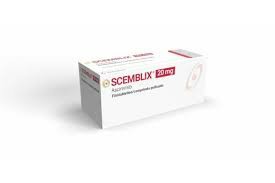
In terms of indications, aximinib is approved for Ph-positive chronic-phase CML patients who have received two or more TKI treatments in the past, as well as patients with T315I mutation; while orebatinib is mainly used for T315I mutation-positive patients, especially after failure of other TKI treatments. The two are complementary in coverage of drug-resistant mutations and binding mechanisms, but both emphasize targeted precision therapy.
In terms of drug tolerance, aceminib generally has good safety and tolerability due to its unique binding mode, especially the low risk of cardiovascular events. Orebatinib may cause side effects such as thrombocytopenia and abnormal liver function due to its ATP competitive inhibition mechanism, which requires close monitoring.
Overall, aximinib and orebatinib are bothbreakthrough drugs in the treatment of CML. The choice of which drug should be based on the patient's genetic mutation status, previous treatment history and individual tolerance, and a doctor's comprehensive evaluation to develop an individualized treatment plan.
Reference materials:https://www.novartis.com/our-products/pipeline/asciminib
[ 免责声明 ] 本页面内容来自公开渠道(如FDA官网、Drugs官网、原研药厂官网等),仅供持有医疗专业资质的人员用于医学药学研究参考,不构成任何治疗建议或药品推荐。所涉药品可能未在中国大陆获批上市,不适用于中国境内销售和使用。如需治疗,请咨询正规医疗机构。本站不提供药品销售或代购服务。


