
.jpeg)
Resistance management options for icarelatumumab
Epcoritumab (Epcoritamab) is an innovative CD3×CD20 bispecific T cell engaging antibody, mainly used to treat relapsed or refractory large B-cell lymphoma (DLBCL; non-Hodgkin lymphoma) and other B-cell non-Hodgkin lymphomas. The mechanism is to guide T cells to CD20-expressing B cell tumor epitopes, thereby activating T cell-mediated killing of tumor cells. However, like other immunotherapies, resistance problems also exist in the clinical application of icarelatumumab, and targeted management strategies are needed to improve sustained efficacy.
The resistance to icorelatumumab may originate from many aspects, including downregulation of the target CD20, T cell exhaustion, and an increase in immunosuppressive factors in the tumor microenvironment. Some studies have found that some patients lose drug effect due to the reduction or disappearance of CD20 antigen expression after the initial response. Therefore, monitoring the dynamic changes in CD20 expression during treatment is of great significance for judging the decline of therapeutic efficacy. For such patients, CD19-targeted drugs or CAR-T therapy can be considered as subsequent treatment options.
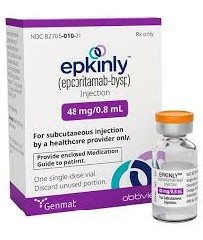
In terms ofT cell function, continuous stimulation may lead to T cell exhaustion, such as upregulation of PD-1 and other immunosuppressive phenotypes. In this regard, PD-1/PD-L1 inhibitors can be used in combination to reverse T cell dysfunction and restore anti-tumor efficacy. In addition, rational optimization of dosing rhythm and dosage can also help alleviate immune tolerance caused by excessive activation of T cells.
The influence of the tumor microenvironment cannot be ignored, such as the infiltration of myeloid suppressor cells (MDSCs) or regulatory T cells (Tregs), which may weaken the immune response. At this time, the combined use of immunomodulators (such as lenalidomide) or chemotherapy drugs can be considered to clear the suppressive cell population and create conditions for Epcoritamab to reshape the active immune environment.
In short,Although Epcoritab exhibits potent immune activity, its resistance mechanism is complex and requires multidisciplinary collaborative monitoring, individualized management and precise combination strategies to maximize the patient's remission period and survival benefit.
Reference materials:https://www.drugs.com/epcoritamab.html
[ 免责声明 ] 本页面内容来自公开渠道(如FDA官网、Drugs官网、原研药厂官网等),仅供持有医疗专业资质的人员用于医学药学研究参考,不构成任何治疗建议或药品推荐。所涉药品可能未在中国大陆获批上市,不适用于中国境内销售和使用。如需治疗,请咨询正规医疗机构。本站不提供药品销售或代购服务。


