
.jpeg)
How many days after bevacizumab injection will the reaction occur?
Bevacizumab (Bevacizumab), as an anti-angiogenic monoclonal antibody, can target and bind to vascular endothelial growth factor (VEGF) after entering the human body, blocking its binding to the receptor, thereby inhibiting the formation of new blood vessels. Because its mechanism of action tends to regulate the tumor microenvironment, vascular permeability and cell nutrient supply, bevacizumab injection usually does not cause strong toxic side effects in a short period of time like chemotherapy drugs, but it still has certain delayed and cumulative side effects.
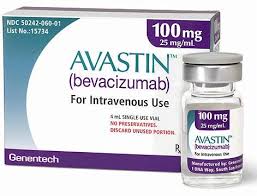
Based on clinical experience, patients are more likely to have initial reactions within 1-3 days after injection, including mild fatigue, weakness, nausea, mild hypertension, etc. This is because bevacizumab begins to have an impact on the vascular system during this time period. However, most of these reactions are mild and usually do not affect normal life. Some patients may not even have obvious reactions during the first cycle. However, more obvious adverse reactions may occur between the 5th and 10th days after injection, especially after multiple cycles of treatment, as the reactions tend to increase with the cumulative dose. More common manifestations at this time include persistent hypertension, proteinuria, mild epistaxis or mucosal bleeding, and rarely, venous thrombosis. Some patients begin to show more significant blood pressure fluctuations and changes in kidney function-related indicators after receiving the second or third cycle. Therefore, doctors often recommend a reexamination about 7 days after taking the medication to monitor electrolytes, blood routine, and urinary protein.
It should be noted that bevacizumab is a long-term treatment drug, and related side effects may appear delayed and not immediately after injection. For patients with a history of cardiovascular disease, especially those with hypertension or abnormal coagulation function, the changes in status in the first few days after injection should be closely observed. In addition, if abnormal symptoms such as persistent severe headache, blurred vision, or chest tightness and shortness of breath occur during medication, the medication should be discontinued immediately and medical evaluation should be conducted to prevent rare but serious stroke or bleeding events.
Reference materials:https://www.drugs.com/bevacizumab.html
[ 免责声明 ] 本页面内容来自公开渠道(如FDA官网、Drugs官网、原研药厂官网等),仅供持有医疗专业资质的人员用于医学药学研究参考,不构成任何治疗建议或药品推荐。所涉药品可能未在中国大陆获批上市,不适用于中国境内销售和使用。如需治疗,请咨询正规医疗机构。本站不提供药品销售或代购服务。


