
.jpeg)
What type of drug does eflornithine belong to?
Eflornithine tablets (eflornithine) are an irreversible inhibitor of ornithine decarboxylase (ODC) and are anti-tumor drugs targeting metabolic pathways. This drug was originally developed to treat African trypanosomiasis, and has shown good results in the treatment of late-stage trypanosomiasis encephalopathy. With in-depth research, its unique anti-proliferation mechanism has also been confirmed to have potential in the field of tumor treatment, especially in the maintenance treatment stage of high-risk neuroblastoma (HRNB), which has been approved by the FDA. Its action characteristics make it classified as an anti-proliferation targeted drug, which is different from traditional cytotoxic chemotherapy drugs.
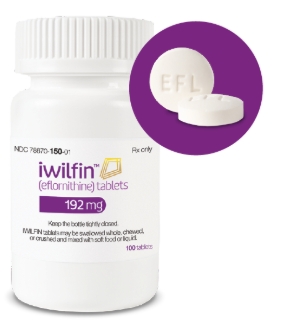
From a pharmacological perspective, eflornithine irreversibly inhibitsODC, a key enzyme, and reduces the synthesis of polyamine molecules from the source, such as putrescine, spermidine, and spermine. These molecules play an important role in cell growth, DNA stability, and cell cycle regulation. In most malignant tumors, the expression of ODC is abnormally increased, prompting tumor cells to maintain a high proliferation state. Therefore, blocking the activity of this enzyme is considered an important strategy to effectively delay the growth and recurrence of cancer cells. This mechanism of eflornithine enables it to reduce the risk of recurrence through long-term use in the late stages of neuroblastoma treatment, and it has become one of the recommended international maintenance treatments.
In addition, eflornithine is not a cytotoxic drug in the traditional sense. It is less lethal to normal cells and prefers to "regulate" the metabolic microenvironment of tumor cells, and has good long-term tolerance. When used in conjunction with immunotherapy drugs such as anti-GD2 antibodies, eflornithine can also indirectly enhance the body's immune recognition ability and reduce the survival rate of minimal residual disease.
To sum up, eflornithine tablets belong to the category of metabolic pathway inhibition in the category of anti-tumor targeted drugs, and represent the current trend of tumor treatment changing from"killing" to "suppression and control". Its successful application provides a new direction for maintenance treatment of high-risk neuroblastoma and other diseases.
Reference materials:https://www.drugs.com/mtm/eflornithine.html
[ 免责声明 ] 本页面内容来自公开渠道(如FDA官网、Drugs官网、原研药厂官网等),仅供持有医疗专业资质的人员用于医学药学研究参考,不构成任何治疗建议或药品推荐。所涉药品可能未在中国大陆获批上市,不适用于中国境内销售和使用。如需治疗,请咨询正规医疗机构。本站不提供药品销售或代购服务。


